We are in the process of migrating all NASA Earth science data sites into Earthdata from now until end of 2026. Not all NASA Earth science data and resources will appear here until then. Thank you for your patience as we make this transition.
Read about the Web Unification Project
Terra Resources
Terra Learning Resources
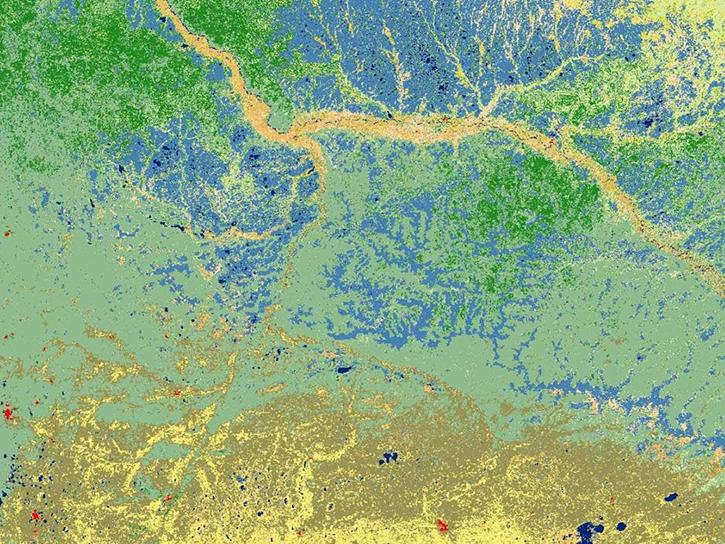
Explore how MODIS data was used to support forest monitoring in Siberia, agricultural drought analysis across Africa, and fractal-based woodland extraction in Beijing.
Data in Action
Oct. 31, 2017
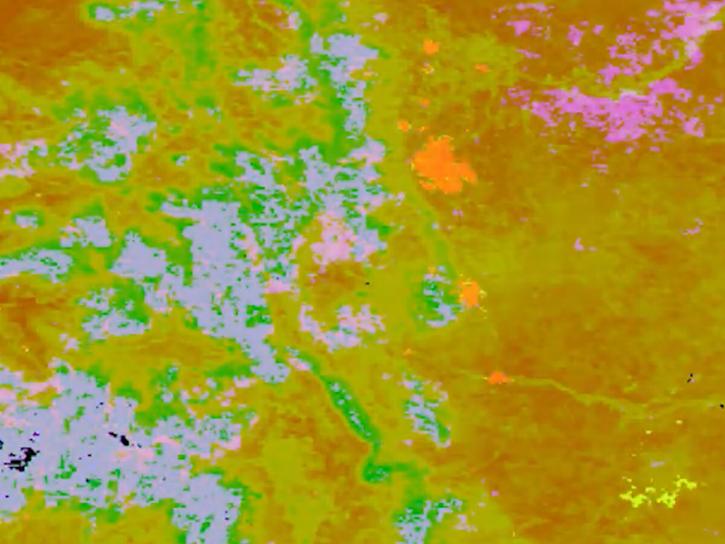
The Application for Extracting and Exploring Analysis Ready Samples (AppEEARS) Area Sampler allows users to extract, visualize, and download NASA data for an area of interest.
Tutorial
Oct. 25, 2017
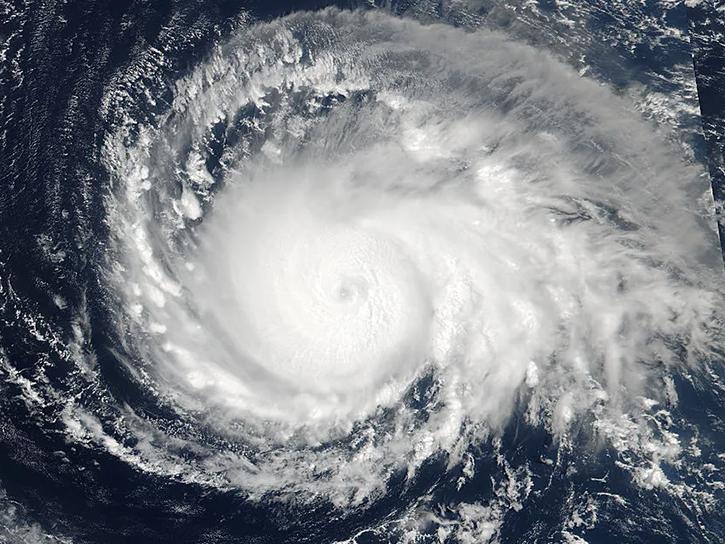
See how data from MODIS and VIIRS allow meteorologists to observe how a hurricane formed, where it went, how long it lasted, and its impact.
Data in Action
Oct. 19, 2017
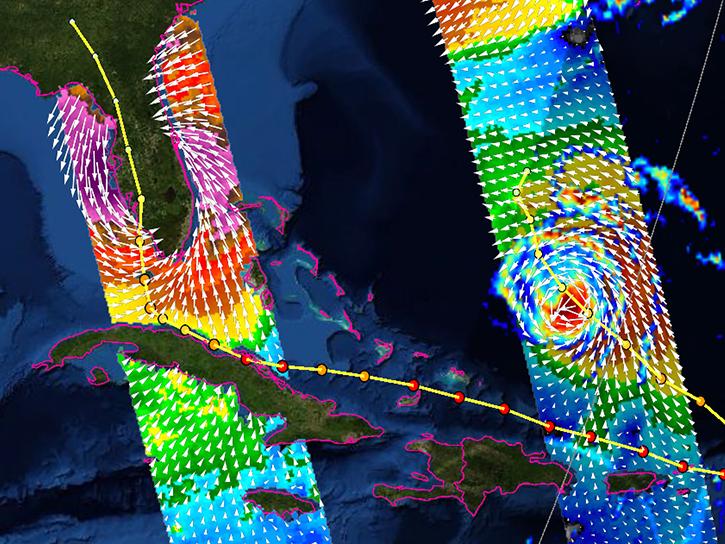
Learn how the interactive platform helps researchers analyze hurricane data.
Data in Action
Oct. 3, 2017
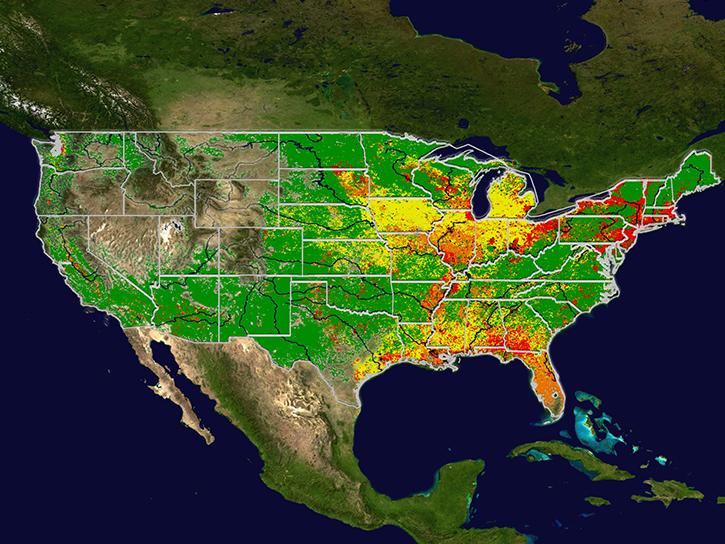
Learn how MODIS data help predict the spread of West Nile virus.
Data in Action
Sept. 17, 2017
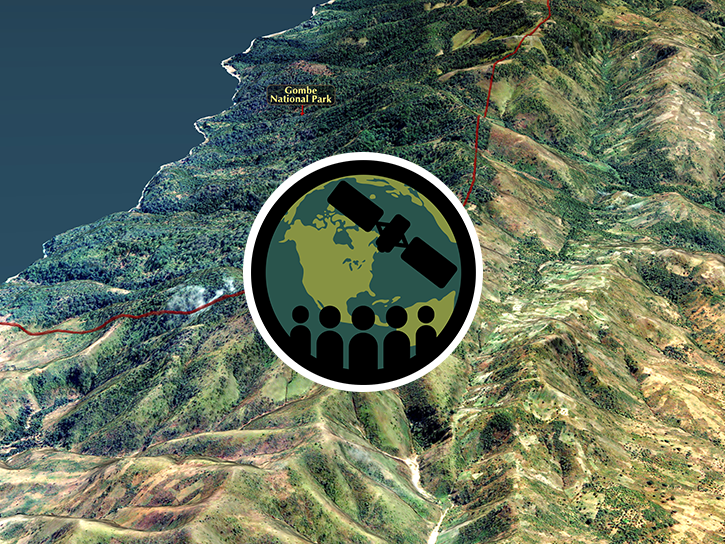
This ARSET training provides an overview of remote sensing products, tools, and applications for ecological modeling.
Training
Sept. 7-28, 2017
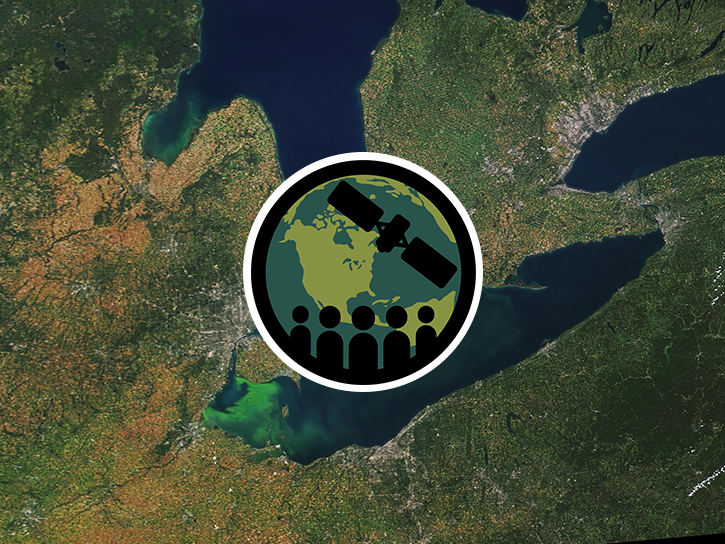
This ARSET training covers how to use remote sensing to identify impaired water quality from harmful algal blooms.
Training
Sept. 5-26, 2017

Learn how ecologists used MODIS data to show vegetation's impact on Oregon bird communities.
Data in Action
Aug. 30, 2017
SHOWING 8 OF 235
Terra News
View All News
Filters
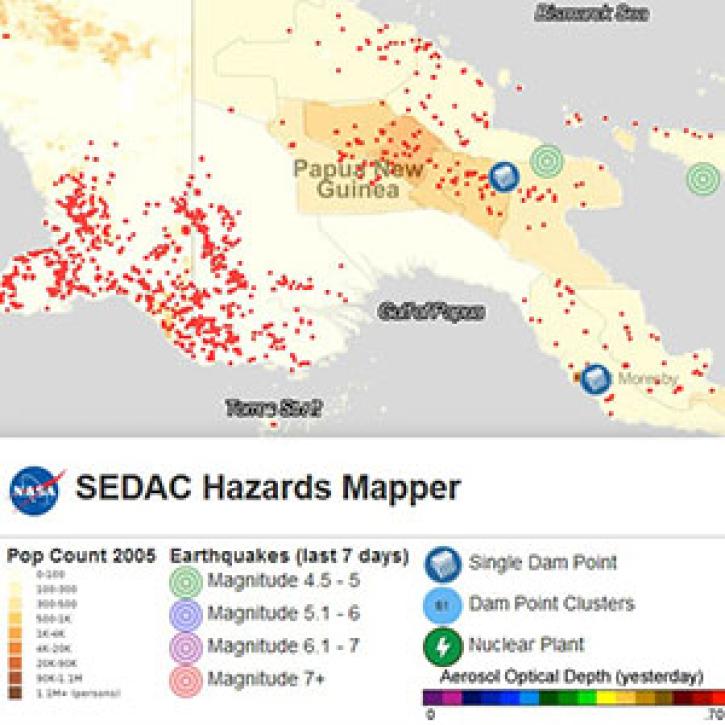
Determining risk from a wide range of natural hazards is only a mouse click away thanks to SEDAC's Hazards Mapper application.
Feature Article
Nov. 4, 2020
The Naval Research Laboratory and the University of North Dakota developed a level 3 gridded product specifically designed for quantitative applications including data assimilation and model validation. It is available through LANCE-MODIS.
News
Nov. 4, 2020

The MODIS Team at ORNL DAAC was awarded the national Doug D. Nebert Champion of the World award for their work developing the MODIS tool suite.
News
Nov. 4, 2020
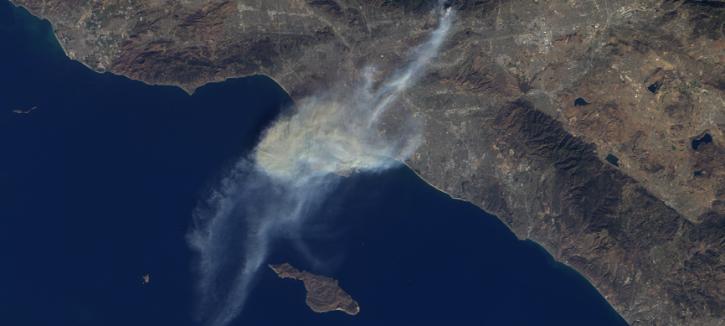
The Multi-angle Imaging SpectroRadiometer (MISR) instrument aboard the Terra satellite passed over the Colby Fire at 10:45 a.m. on Jan. 16, 2014, about five hours after the fire was first reported. The instrument was able to acquire images of the fire at different angles, allowing scientists to create a 3-D view of the Colby fire and images of the height of the smoke/particulate dispersal.
Feature Article
Nov. 4, 2020
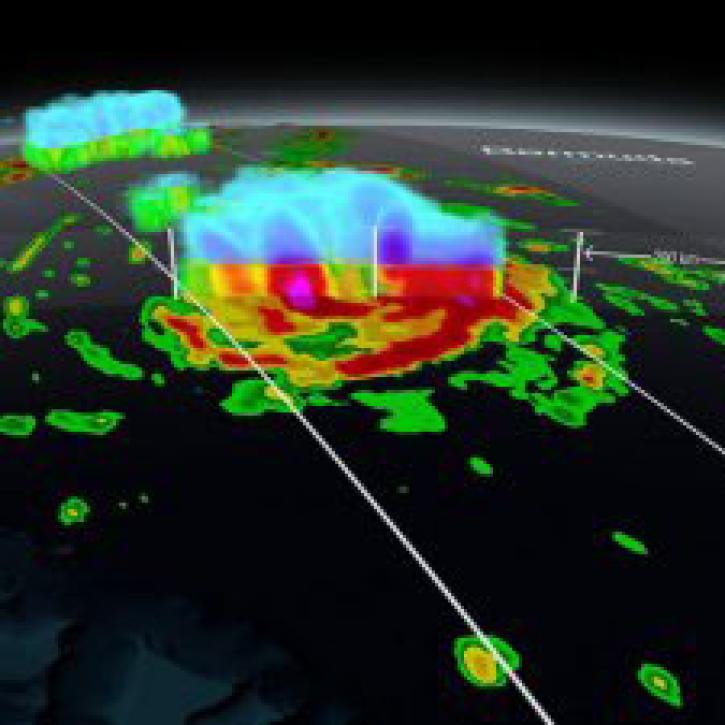
NASA’s global precipitation data and data processing systems have come a long way from the launch of TRMM in 1997 to the ongoing GPM mission.
Feature Article
Nov. 4, 2020
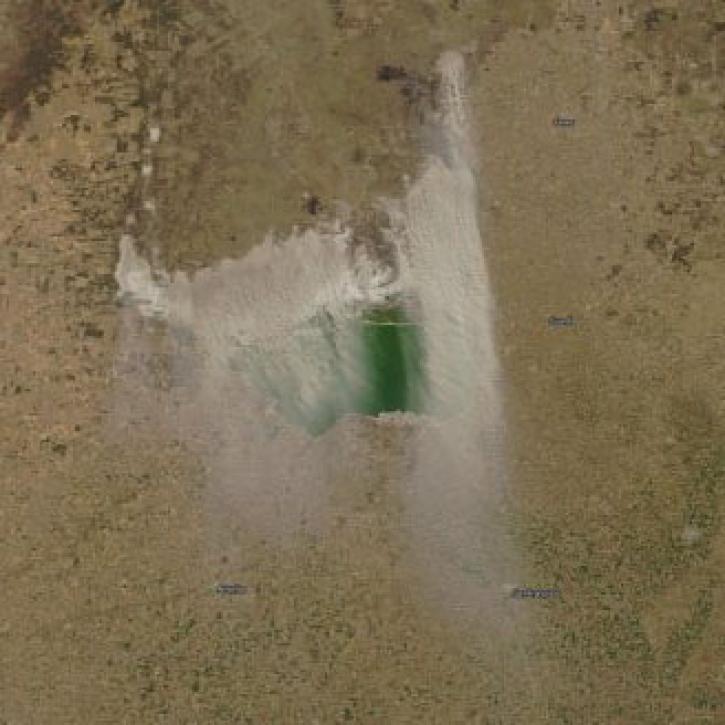
Interactively explore your world your way with nearly 20 years of MODIS global imagery and the EOSDIS Worldview data visualization application.
Feature Article
Nov. 4, 2020
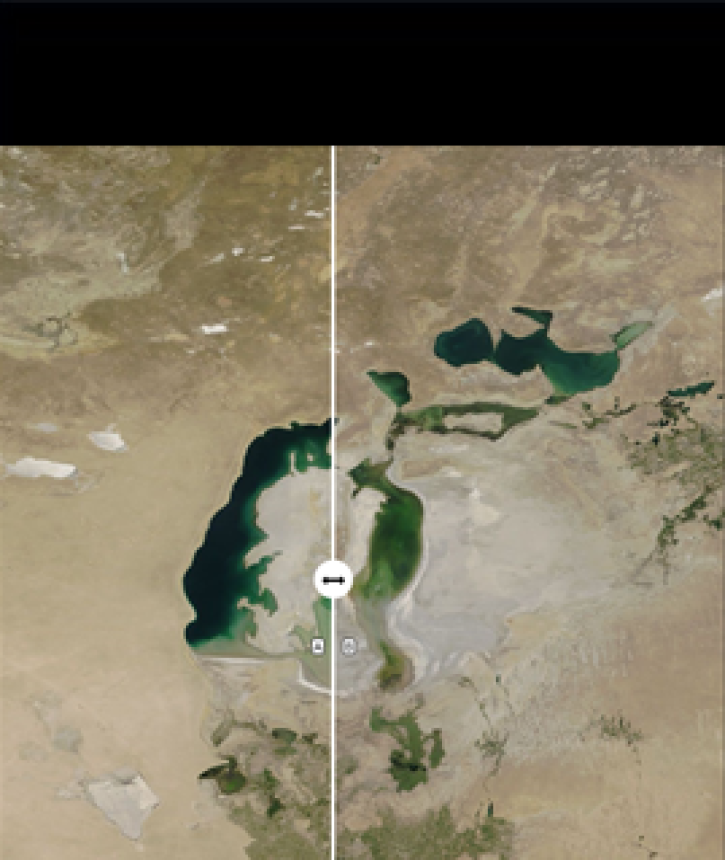
A new comparison feature in the most recently released version of NASA’s Worldview data visualization application makes it easy to compare two images.
Feature Article
Nov. 4, 2020
Since 1999, NASA’s Terra Earth observing satellite has completed more than 100,000 orbits. The instrument data from this workhorse satellite has resulted in one of the longest continuous data records of our planet ever recorded from space.
Feature Article
Nov. 4, 2020
SHOWING 8 OF 450
Frequently Asked Questions
Earthdata Forum
Our online forum provides a space for users to browse thousands of FAQs about research needs, data, and data applications. You can also submit new questions for our experts to answer.
Submit Questions to Earthdata Forumand View Expert Responses