Delivery of new Suomi NPP data ceases on Nov. 2, 2026. Users should transition to alternative products.
Suomi NPP data announcement
Atmosphere Learning Resources
Webinars, tutorials, data recipes and more to help you work with Atmosphere.
Filters

NAAMES was a 5-year study with ships, aircraft, floats, drifters, and satellites to investigate key questions about phytoplankton blooms in the North Atlantic.
StoryMap
Oct. 7, 2026
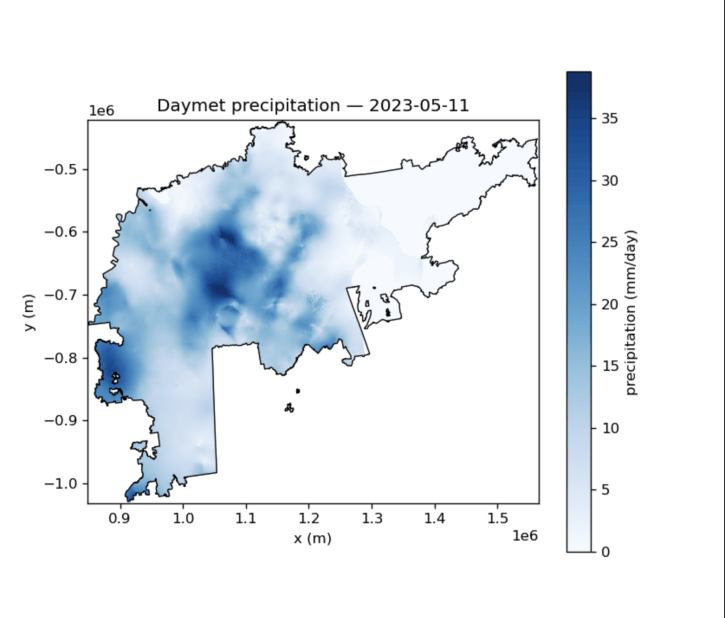
Daymet Daily V4 R1 from NASA Earthdata Cloud via OPeNDAP
This tutorial shows how to perform complex regional and temporal subsetting directly on Daymet Daily datasets using the NASA Earthdata OPeNDAP Hyrax.
External Resource
Jupyter Notebook
Sept. 29, 2026
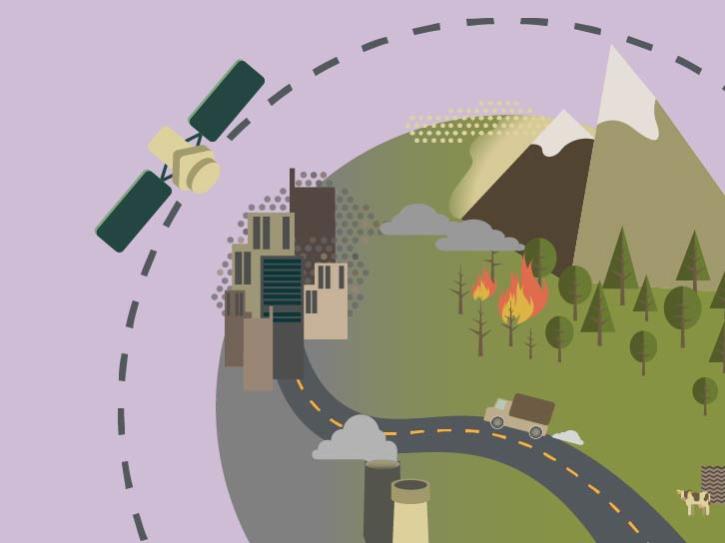
This ARSET training introduces participants to the underlying science of satellite remote sensing for air quality applications.
Training
Ongoing
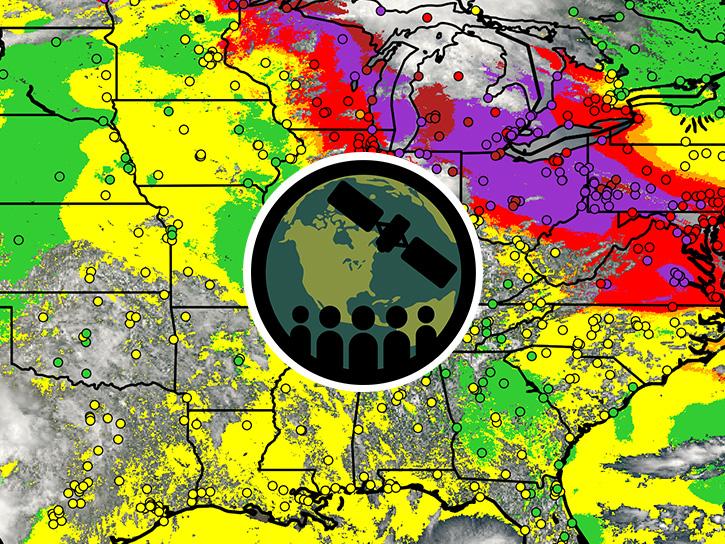
This ARSET training provides an overview of TEMPO aerosol products for air quality applications using NOAA's AerosolWatch website.
Training
Oct. 13-15, 2026
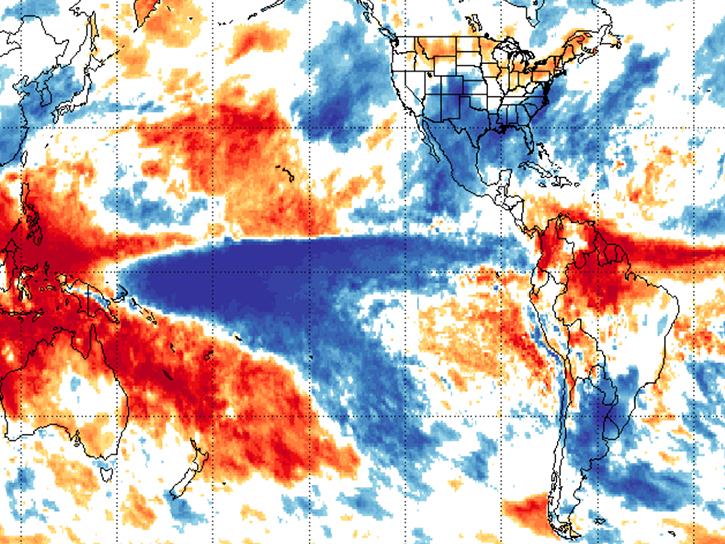
El Nino-Southern Oscillation ocean patterns affects global precipitation. IMERG monthly data (principal components) show us where.
StoryMap
Aug. 14, 2026
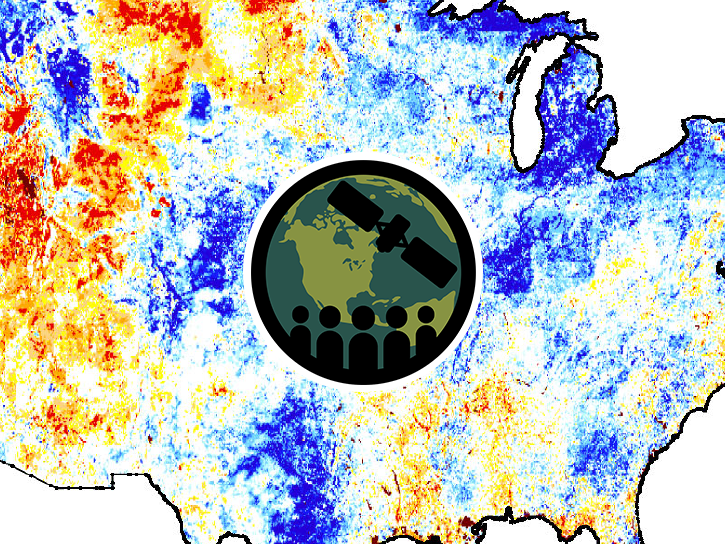
This ARSET training shows users how to detect and monitor flash droughts using OCO-2 Solar-Induced Fluorescence (SIF) and SMAP soil moisture satellite observations.
Training
Sept. 24-29, 2026
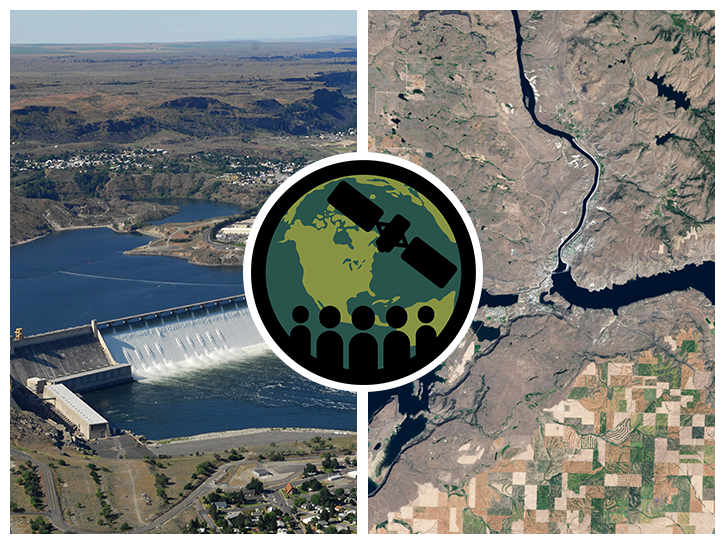
This ARSET training uses precipitation, soil moisture, and snow data to help reservoir managers assess inflows and manage water allocation and flood risks.
Training
Aug. 4-11, 2026
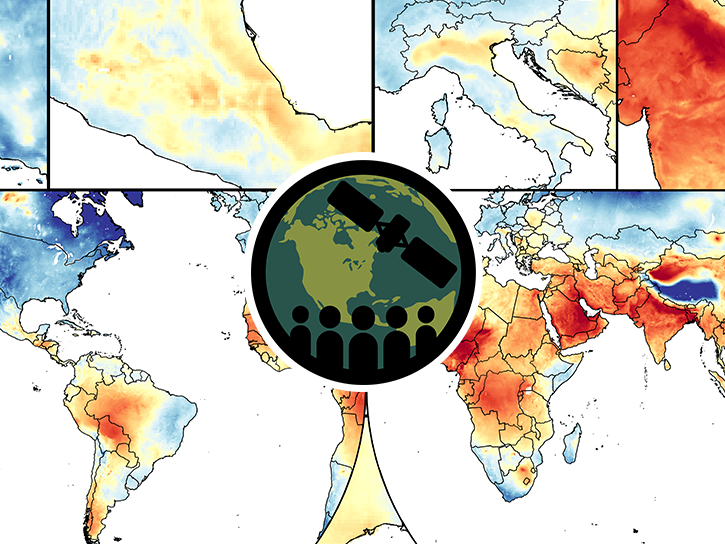
This training covers the theoretical approaches and key datasets to estimate historical PM2.5 from satellite aerosol optical depth.
Training
July 8-22, 2026
SHOWING 8 OF 185
Get Help
QUESTIONS & SUPPORT
Have a question?
Get help with NASA Earth science data, datasets, tools, services, and metadata on the Earthdata Forum. Experienced staff in the data user community review and answer questions.
Get help on Earthdata ForumEarthdata
Forum
Forum