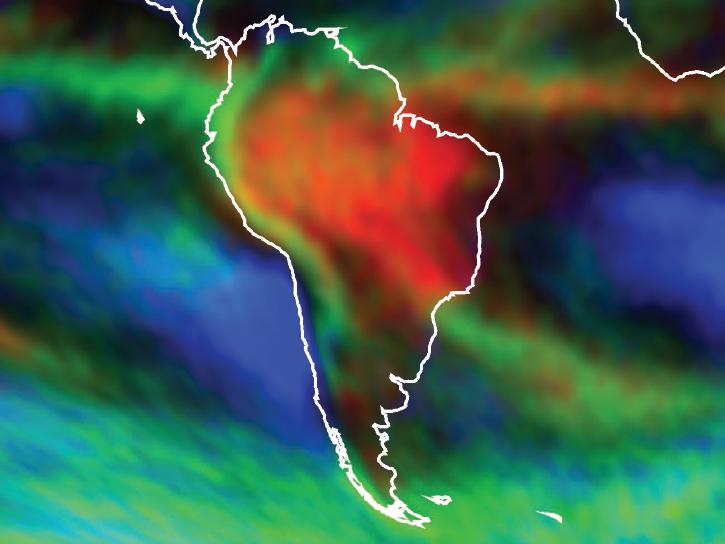
Aboard NASA’s many platforms are sophisticated instruments that collect a wide range of data about our planet. Our instruments can track wildfires in real time, detect minute changes in the Earth’s atmosphere, and help agricultural communities optimize their crop cycles. Explore how our data can enhance your Earth science research.

 

Explore Instruments

Filters

GLM

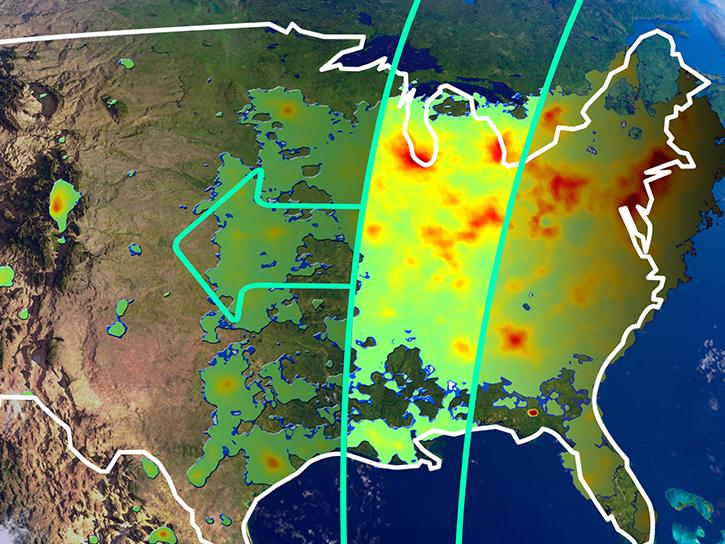
GLM detects and maps total lightning—in-cloud, cloud-to-cloud, and cloud-to-ground—continuously over the Americas and adjacent ocean regions.
6 datasets
The Global Hawk dropsondes (or dropwindsondes) are in situ instruments designed to be released from aircraft to collect various profile measurements.
GOCI flew aboard the Communication, Ocean and Meteorological Satellite (COMS) collecting chlorophyll concentration and other measurements from the Korean Sea.
2 datasets
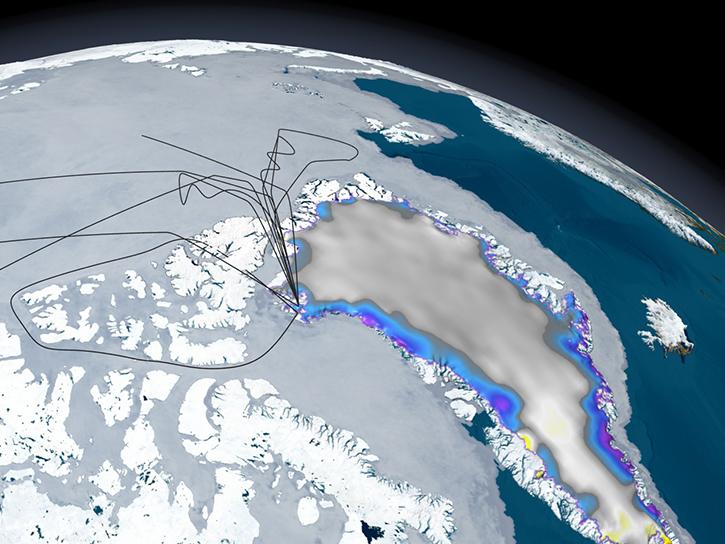
The ranging interferometer aboard the GRACE platform measures distance variations between remote spacecraft, providing precise estimates of Earth's gravity field.
7 datasets
The laser ranging interferometer aboard the GRACE-FO platform is the first to measure distance variations between remote spacecraft, providing precise estimates of Earth's gravity field.
13 datasets
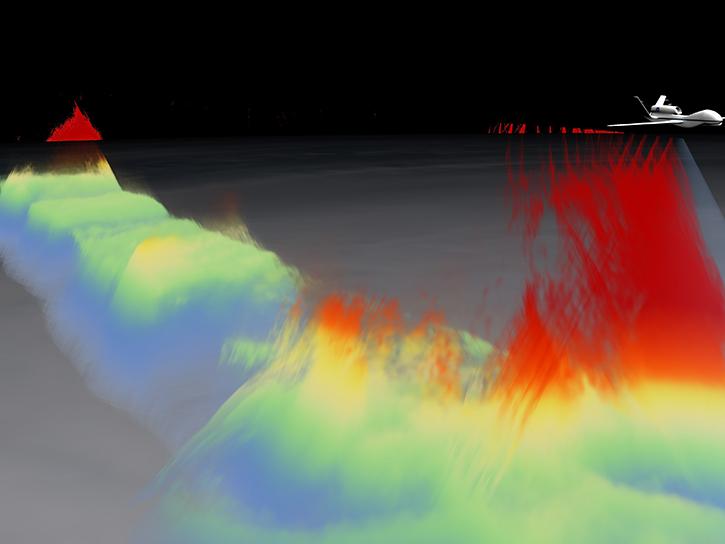
The High Altitude Lidar Observatory (HALO) provides vertical profiles of aerosol and cloud optical properties, atmospheric water vapor, and methane.
9 datasets
SHOWING 8 OF 181

Join Our Community of NASA Data Users

While NASA data are openly available without restriction, an Earthdata Login is required to download data and to use some tools with full functionality.

Learn About the Benefits of Earthdata Login

Frequently Asked Questions

Earthdata Forum

Our online forum provides a space for users to browse thousands of FAQs about research needs, data, and data applications. You can also submit new questions for our experts to answer.

Submit Questions to Earthdata Forumand View Expert Responses

Earthdata
Forum