We are in the process of migrating all NASA Earth science data sites into Earthdata from now until end of 2026. Not all NASA Earth science data and resources will appear here until then. Thank you for your patience as we make this transition.
Read about the Web Unification Project
OB.DAAC News
Read the latest news stories, feature articles, user stories, and blog posts that feature data archived by NASA's Ocean Biology Distributed Active Archive Center (OB.DAAC).
For real-time announcements about data outages, releases, and retirements, see our list of Data Alerts and Outages.
Filters
Work by five Science Investigator-led Processing Systems (SIPS) enhance data continuity for next-generation instruments and missions.
Feature Article
Nov. 14, 2022
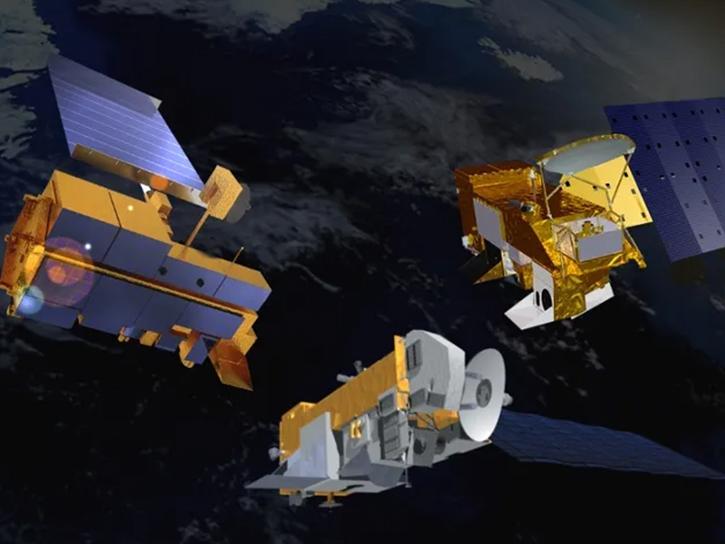
Responding to this RFI by October 11 via NSPIRES is an opportunity for you to express your perspective on the value of continuing NASA Earth Observing System (EOS) observations, and the unique scientific contributions and applications that could result from continuing Terra, Aqua, and Aura observations through the next several years of orbital drift.
News
Sept. 15, 2022
View the agenda and access presentation slides from the NASA Ocean Biology and Biogeochemistry Group 2022 meeting.
Event
Sept. 7, 2022
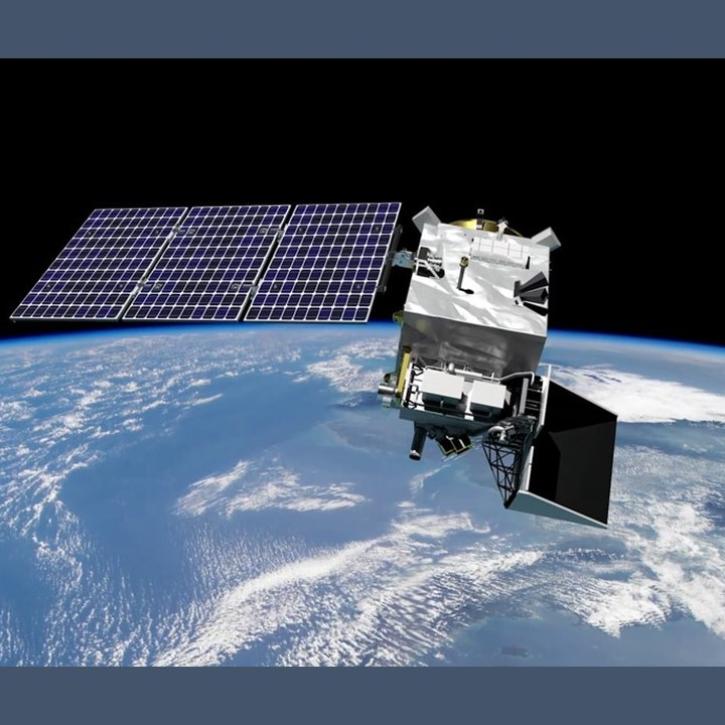
The NASA Plankton, Aerosol, Cloud, ocean Ecosystem (PACE) Applications team invites the research, applied sciences, and decision-making communities to the 2022 PACE Applications *virtual* workshop to be held September 14-15, 2022, at 10:00 a.m., EDT (UTC/GMT-4).
News
Sept. 1, 2022
Get answers to questions about NASA’s Earth science data resources at our next Earthdata Forum “Office Hours” on August 17, 2022.
News
Aug. 16, 2022
Get answers to questions about NASA’s Earth science data resources at our next Earthdata Forum “Office Hours” on July 20, 2022.
News
July 18, 2022
Get answers to questions about NASA’s Earth science data resources at our next Earthdata Forum “Office Hours” on June 15, 2022.
News
June 13, 2022
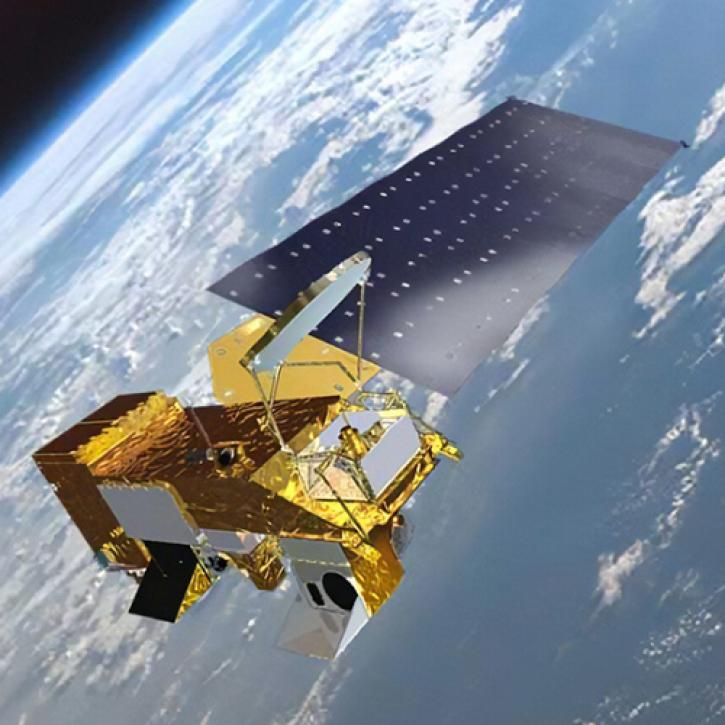
Since 2002, NASA’s Aqua satellite has orbited the Earth more than 100,000 times, and produced one of the longest near-continuous records of Earth observation data ever assembled.
Feature Article
May 17, 2022