On May 6 from 8:00 to 9:00 a.m. (US Eastern Time), the Data Catalog and Earthdata Search search may be temporarily unavailable due to maintenance of the NASA Common Metadata Repository (CMR).
AIRS Resources
Earthdata resources for users working with NASA’s Atmospheric Infrared Sounder (AIRS) include tutorials and other learning resources, news announcements such as instrument updates and data releases, user guides and related documents, and frequently asked questions.
AIRS Learning Resources
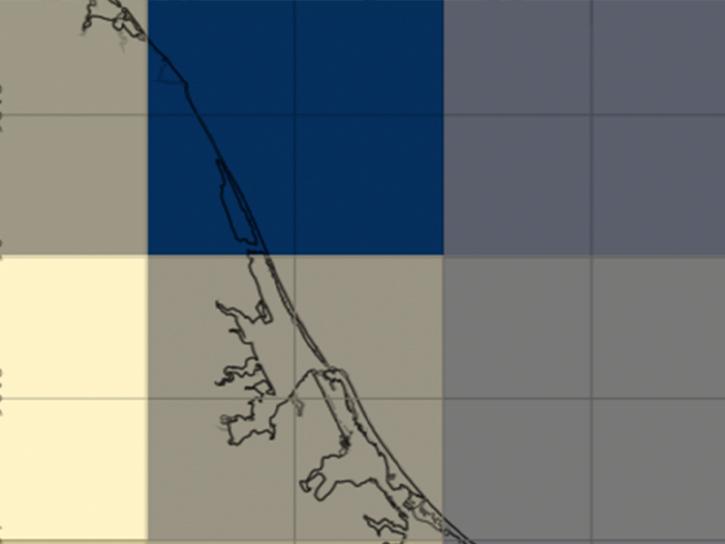
Learn how to use AIRS soundings to determine the amount of precipitable water vapor in the atmosphere and predict whether a storm will increase in intensity.
Tutorial
Sept. 30, 2025
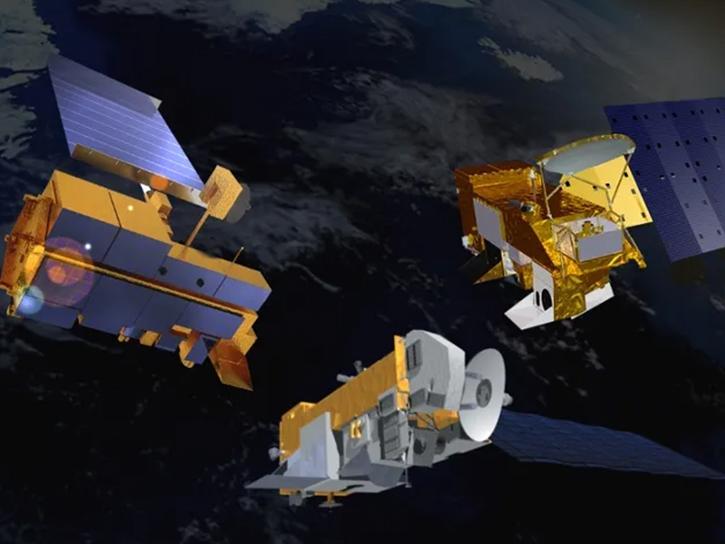
The virtual Terra, Aqua, Aura Drifting Orbits Workshop takes place Nov 1-2, 2022, from 10 a.m. to 6 p.m., EDT [UTC -4], each day. The workshop is free and registration is open to the public.
Webinar
Oct. 25, 2022
This ARSET training provides an overview of NASA resources for monitoring climate change and its impacts.
Training
Sept. 29 - Oct. 6, 2021
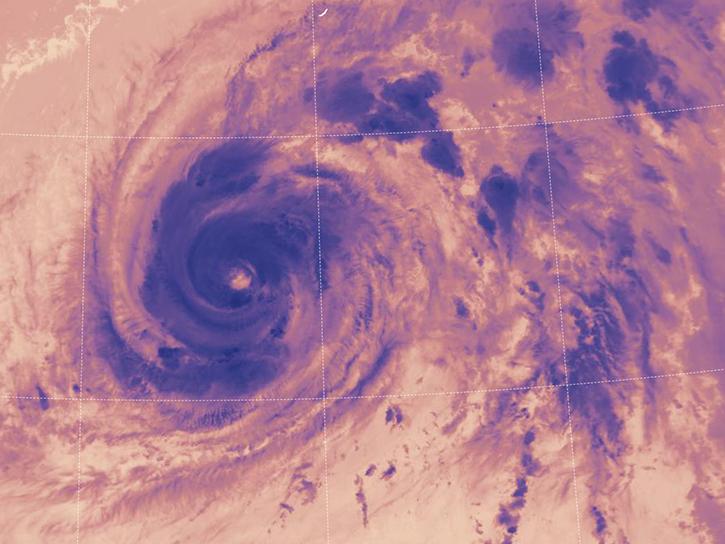
LANCE near real-time products enable the management of ongoing events; standard data products are heavily processed and intended for scientific research.
Data Basics
July 15, 2021
This API allows users to visualize Atmospheric Infrared Sounder data using a Common Metadata Repository search result.
Data Recipe
Jan. 5, 2017

Learn how to access and visualize Atmospheric Infrared Sounder (AIRS) grid data from NASA's Goddard Earth Sciences Data and Information Services Center (GES DISC) in Python.
Data Recipe
Oct. 2, 2014
SHOWING 6 OF 6

Data from NASA’s GES DISC help scientists like Dr. William Blackwell study the thermodynamics of tropical cyclones.
Data User Story
Oct. 27, 2022
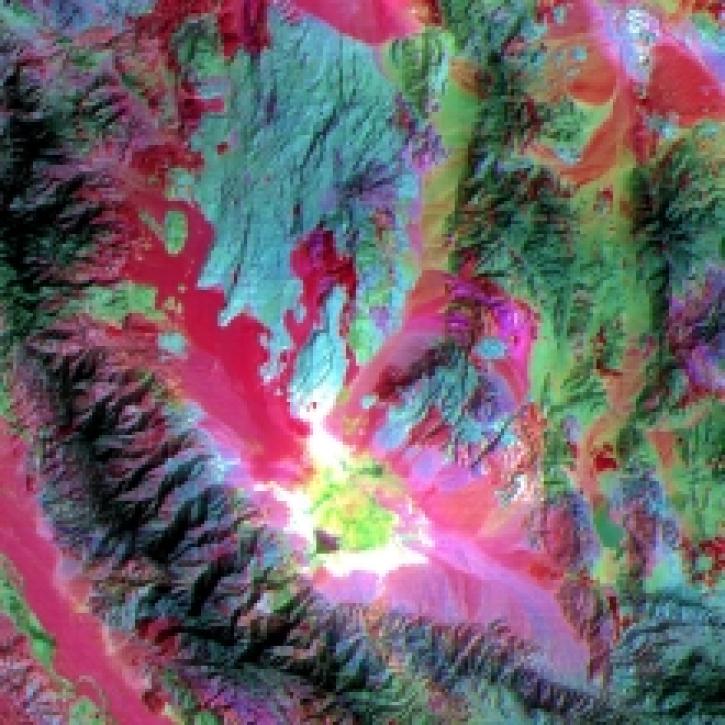
Infrared data from NASA’s satellites and other sources offer researchers views of Earth’s hidden or obscured features and processes.
Feature Article
Sept. 26, 2022
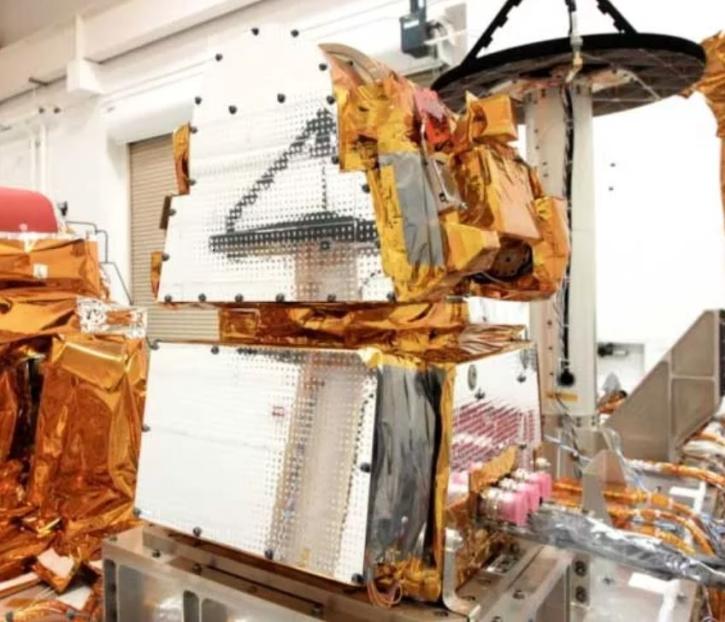
The planned retirement of Terra and Aqua will have minimal impact on the continuity of the CERES long-term climate data record.
Feature Article
Sept. 21, 2022
Responding to this RFI by October 11 via NSPIRES is an opportunity for you to express your perspective on the value of continuing NASA Earth Observing System (EOS) observations, and the unique scientific contributions and applications that could result from continuing Terra, Aqua, and Aura observations through the next several years of orbital drift.
News
Sept. 15, 2022
SHOWING 4 OF 36
Frequently Asked Questions
Earthdata Forum
Our online forum provides a space for users to browse thousands of FAQs about research needs, data, and data applications. You can also submit new questions for our experts to answer.
Submit Questions to Earthdata Forumand View Expert Responses