We are in the process of migrating all NASA Earth science data sites into Earthdata from now until end of 2026. Not all NASA Earth science data and resources will appear here until then. Thank you for your patience as we make this transition.
Read about the Web Unification Project
GRACE/GRACE-FO Resources
GRACE/GRACE-FO Learning Resources
This ARSET training covers how data from GRACE/GRACE-FO, OPERA-DISP, and GLDAS can be used to assess groundwater changes.
Training
April 23-30, 2026
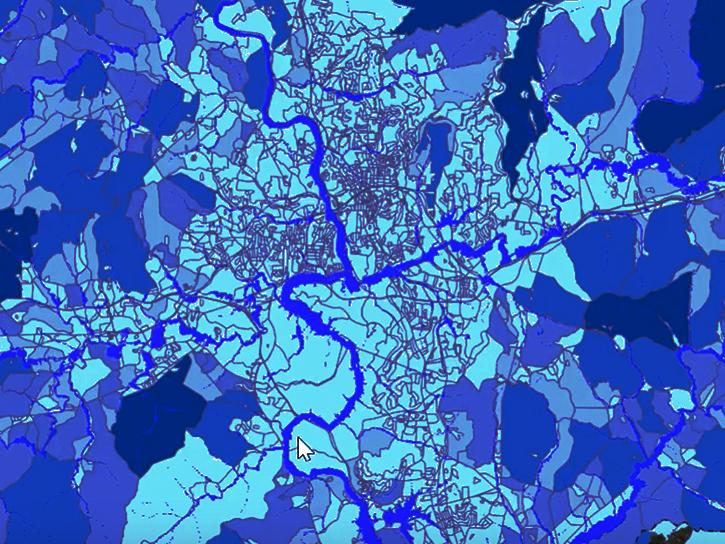
The Emergency Environmental Health Dashboard helped local communities assess water quality risks and infrastructure damage following Hurricane Helene and Tropical Storm Chantal.
Data in Action
Nov. 18, 2025
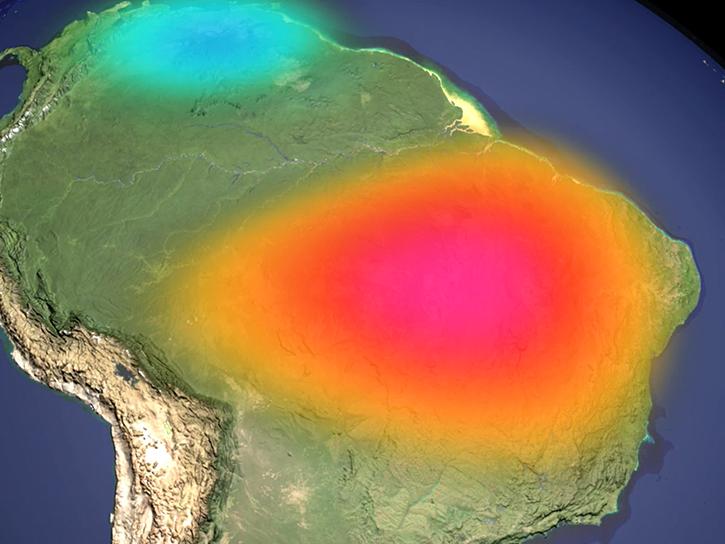
Learn how data collected by GRACE and GRACE-FO contribute to monitoring coastal sedimentation accumulation due to riverine deposition.
Data in Action
June 12, 2025
This ARSET training focuses on NASA products available to assess sea level change.
Training
June 10-17, 2025
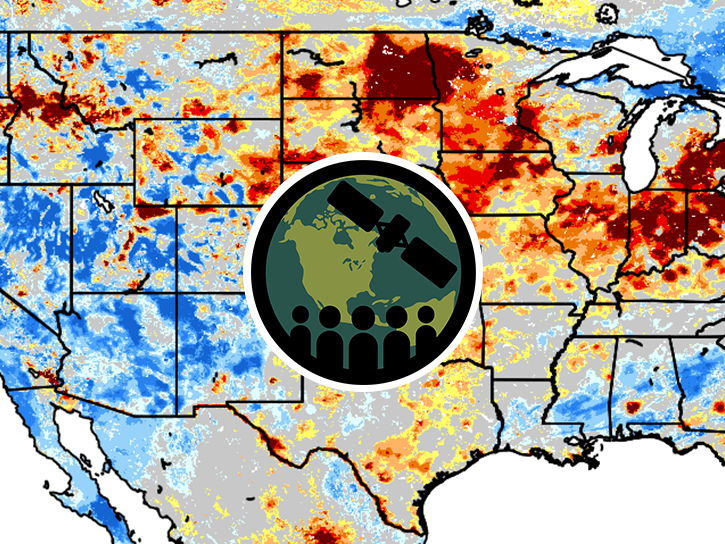
This training will cover how soil moisture is modeled within LIS in to improve drought monitoring.
Training
May 17-31, 2023

Satellite observations complement other sensors to gauge Earth’s energy imbalance (EEI) more accurately.
Data in Action
Feb. 18, 2022
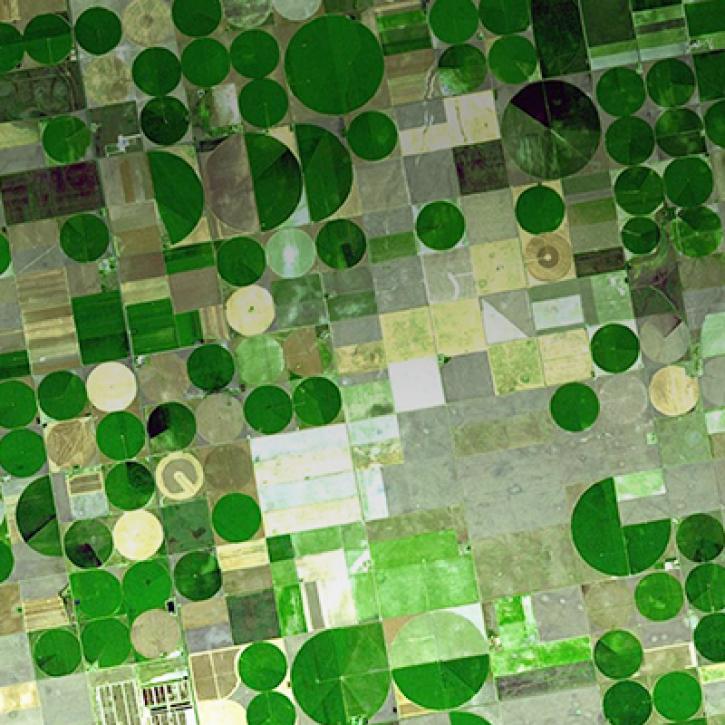
NASA Models and Datasets Capture Irrigation and Groundwater Depletion Impacts
StoryMap
Feb. 1, 2022
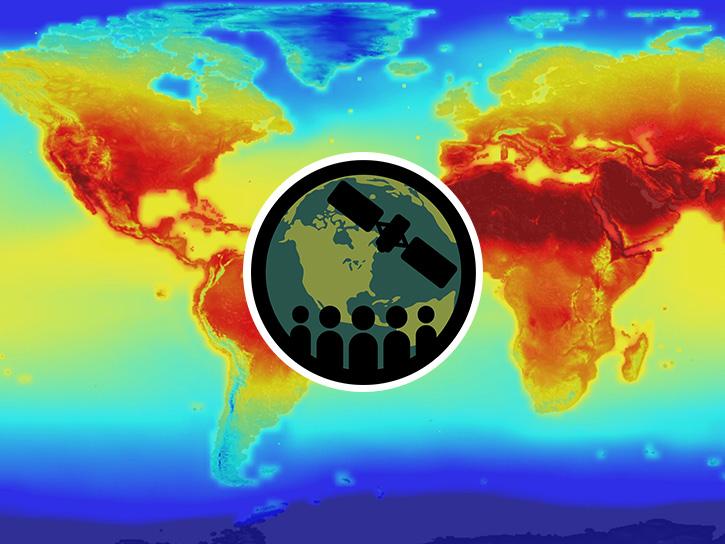
This ARSET training provides an overview of NASA resources for monitoring climate change and its impacts.
Training
Sept. 29 - Oct. 6, 2021
SHOWING 8 OF 21
GRACE/GRACE-FO News
View All News
Filters
NASA’s global precipitation data and data processing systems have come a long way from the launch of TRMM in 1997 to the ongoing GPM mission.
Feature Article
Nov. 4, 2020
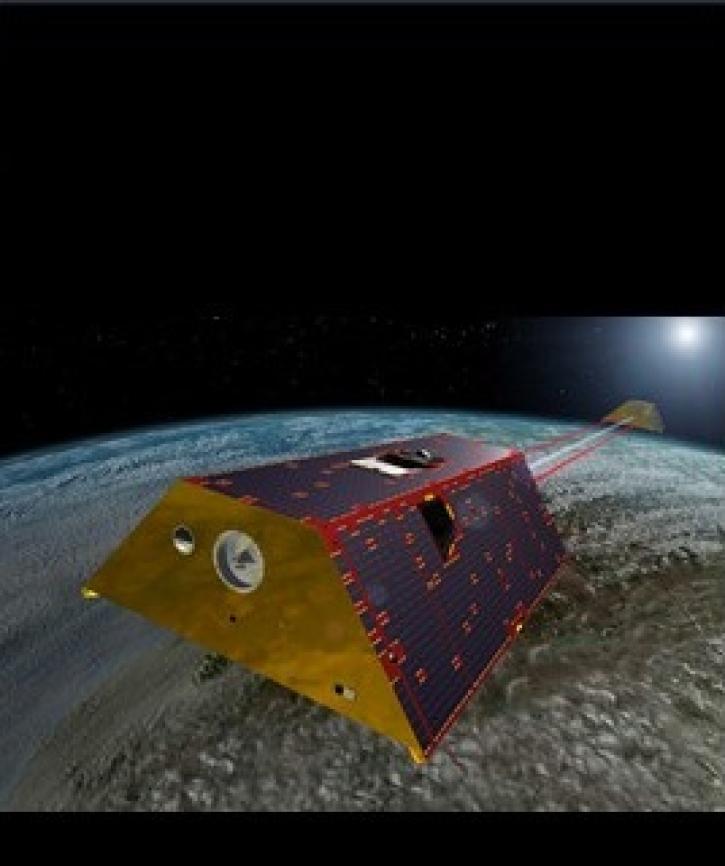
Two datasets from the Gravity Recovery and Climate Experiment Follow-On (GRACE-FO) mission have just been released by NASA’s PO.DAAC.
Feature Article
Nov. 4, 2020
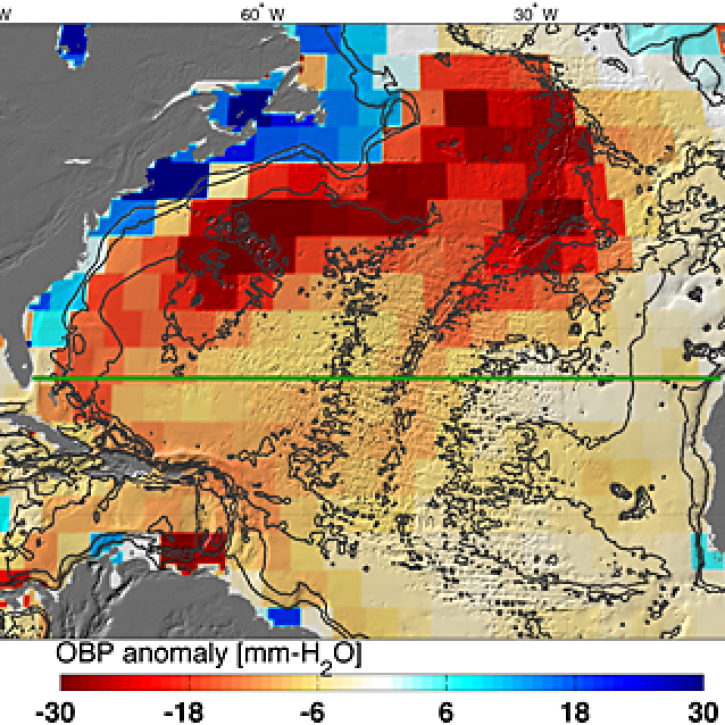
A team of NASA and university scientists has developed a new way to use measurements from NASA's GRACE mission to track changes in Atlantic Ocean currents.
Feature Article
Nov. 4, 2020

Three new datasets show more than 17 years of variations in ice mass and ice mass changes from Antarctica and Greenland as well as global ocean mass change.
News
April 6, 2020
SHOWING 4 OF 28
Frequently Asked Questions
Earthdata Forum
Our online forum provides a space for users to browse thousands of FAQs about research needs, data, and data applications. You can also submit new questions for our experts to answer.
Submit Questions to Earthdata Forumand View Expert Responses