We are in the process of migrating all NASA Earth science data sites into Earthdata from now until end of 2026. Not all NASA Earth science data and resources will appear here until then. Thank you for your patience as we make this transition.
Read about the Web Unification Project
A DSWx-S1 processing issue that combined Sentinel-1A and -1C data into a single product was fixed on Dec. 9, 2025. Affected products are being reprocessed, with completion expected by January 2026.
Learn more.
PO.DAAC News
Read the latest news stories, feature articles, user stories, and blog posts that feature data archived by NASA's Physical Oceanography Distributed Active Archive Center (PO.DAAC).
For real-time announcements about data outages, releases, and retirements, see our list of Data Alerts and Outages.
Filters
Tools and services including PO.DAAC Drive, LAS, CWS, and THREDDS are retiring.
News
March 1, 2023
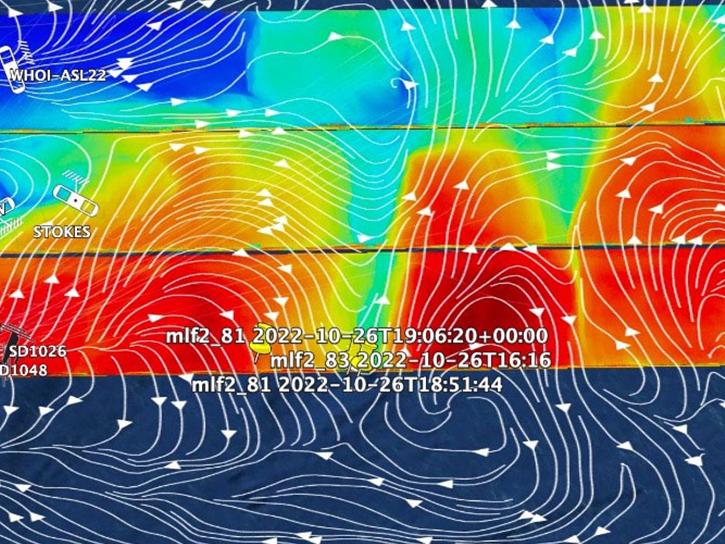
Join us to learn more about the Sub-Mesoscale Ocean Dynamics Experiment (S-MODE) and how to access and use its free and open data.
Event
Dec. 1, 2022
Work by five Science Investigator-led Processing Systems (SIPS) enhance data continuity for next-generation instruments and missions.
Feature Article
Nov. 14, 2022
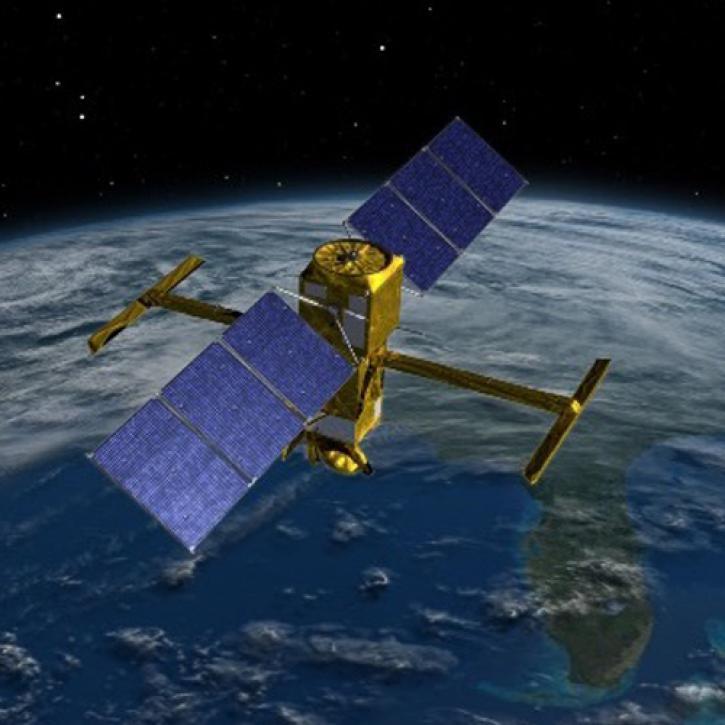
Data from NASA’s PO.DAAC help scientists like Dr. Jida Wang monitor the state of surface water resources around the globe.
Data User Story
Sept. 29, 2022
Responding to this RFI by October 11 via NSPIRES is an opportunity for you to express your perspective on the value of continuing NASA Earth Observing System (EOS) observations, and the unique scientific contributions and applications that could result from continuing Terra, Aqua, and Aura observations through the next several years of orbital drift.
News
Sept. 15, 2022
The app enables users to overlay multiple data layers, including precipitation, storm track, and sea surface temperature.
News
Aug. 24, 2022
Coding club meetings aim to increase users’ comfort with coding and help them get started with cloud computing.
Feature Article
Aug. 12, 2022
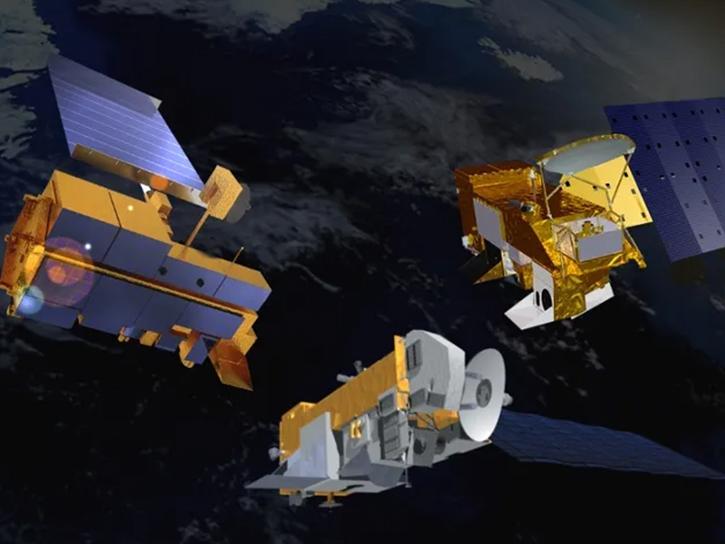
Since 2002, NASA’s Aqua satellite has orbited the Earth more than 100,000 times, and produced one of the longest near-continuous records of Earth observation data ever assembled.
Feature Article
May 17, 2022
Pagination
SHOWING 8 OF 166