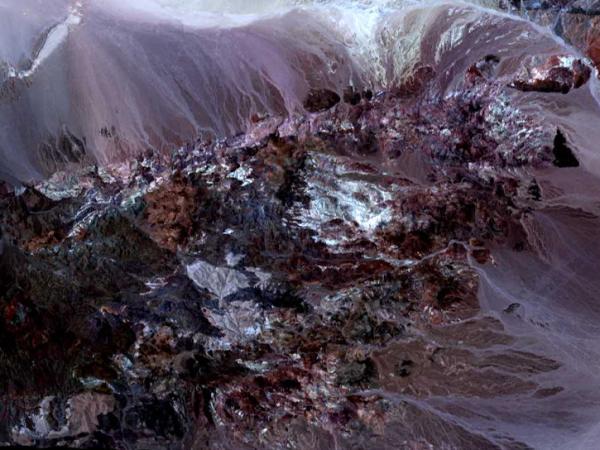
ASTER satellite image of Earth's topography
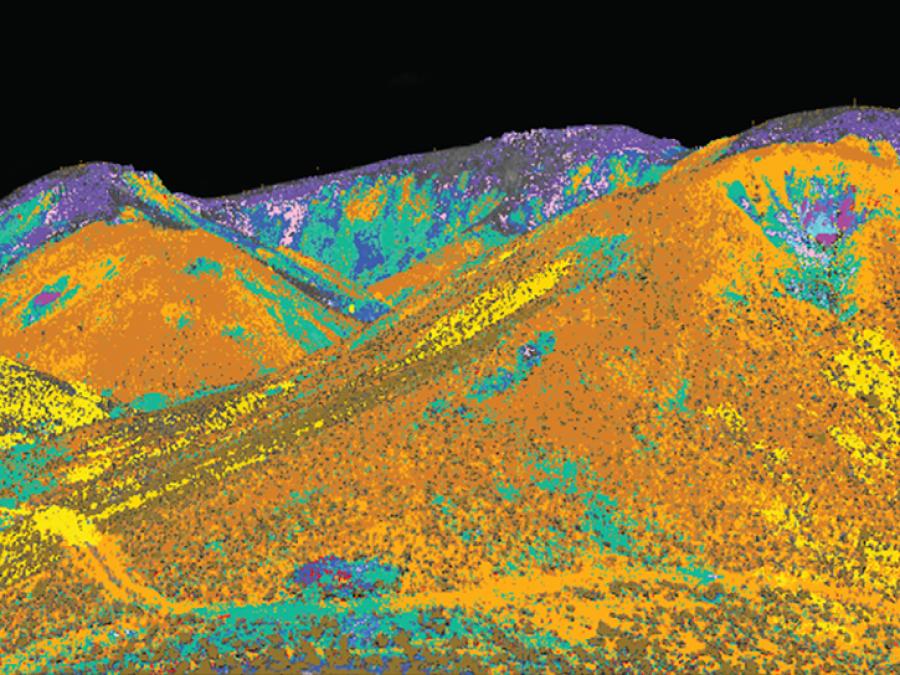
AVIRIS image of Mojave, California
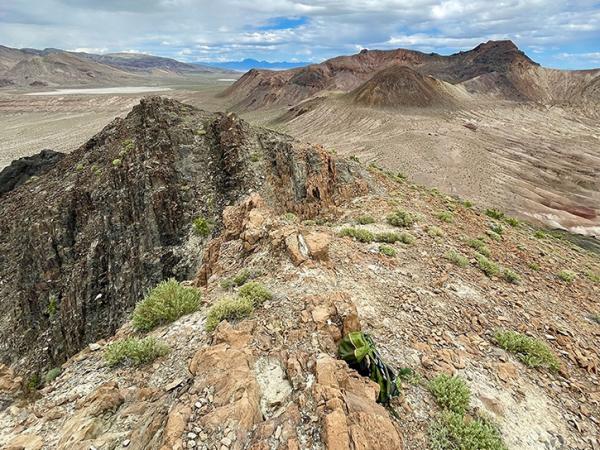
Black Rock Desert, Nevada, validation area for satellite and airborne imaging spectrometer data.

GEMx

Geological Earth Mapping Experiment

The Geological Earth Mapping Experiment (GEMx) is a joint campaign between NASA and the U.S. Geological Survey (USGS) to map portions of the western United States for critical minerals using advanced airborne imaging. GEMx is a five-year research project designed to collect measurements over arid and semi-arid regions in the United States including parts of California, Nevada, Arizona, and New Mexico. GEMx uses the Airborne Visible/Infrared Imaging Spectrometers (AVIRIS-C, AVIRIS-3, and AVIRIS-5) and MODIS/ASTER Airborne Simulator (MASTER) instruments aboard the ER-2 aircraft.

Principal Investigator

Raymond Kokaly (USGS); Kevin Reath (NASA)

Data Centers

ORNL DAAC

These observations record the spectroscopic fingerprints of surface minerals across hundreds of wavelength bands. GEMx capitalizes on technology developed by NASA for spectroscopic imaging as well as NASA's expertise in analyzing the datasets and extracting critical mineral information including primary rock-forming minerals and mineral weathering or alteration. Beyond providing additional detail over the mineral maps made by the Earth Surface Mineral Dust Source Investigation (EMIT), GEMx will provide critical high-resolution data at regional scales.

Image
Image Caption

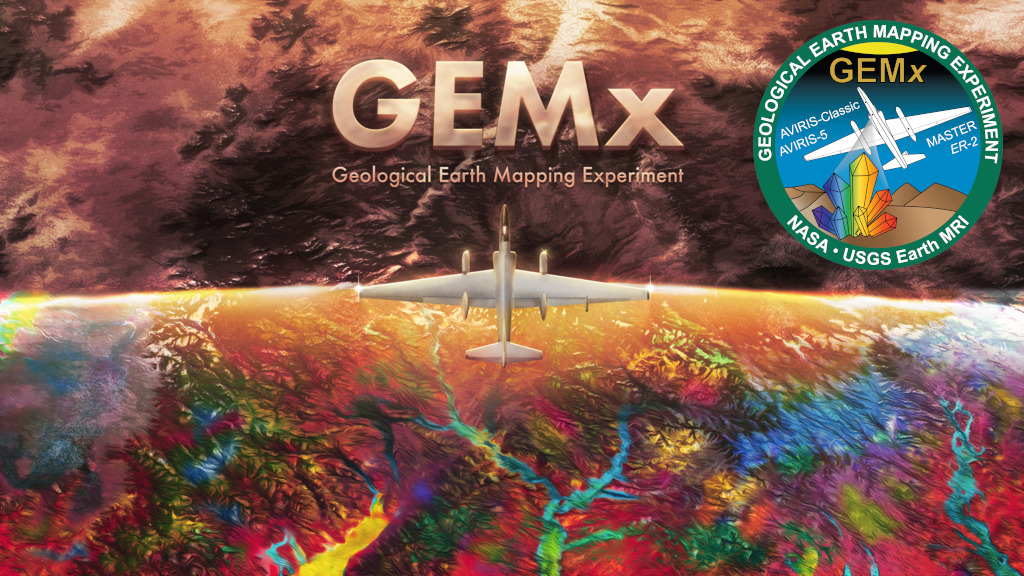
Conceptual illustration depicting the ER-2 aircraft and the AVIRIS instrument searching for critical minerals as part of the GEMx campaign. Credit: NASA Goddard Space Flight Center

Specifications

Study Period2023 - 2027
Season of StudyYear-round
RegionWestern United States
Focus AreasEarth Surface & Interior
Scientific TopicsCritical Mineral Identification, Surface Mineralogy Mapping, Environmental and Ecosystem Monitoring