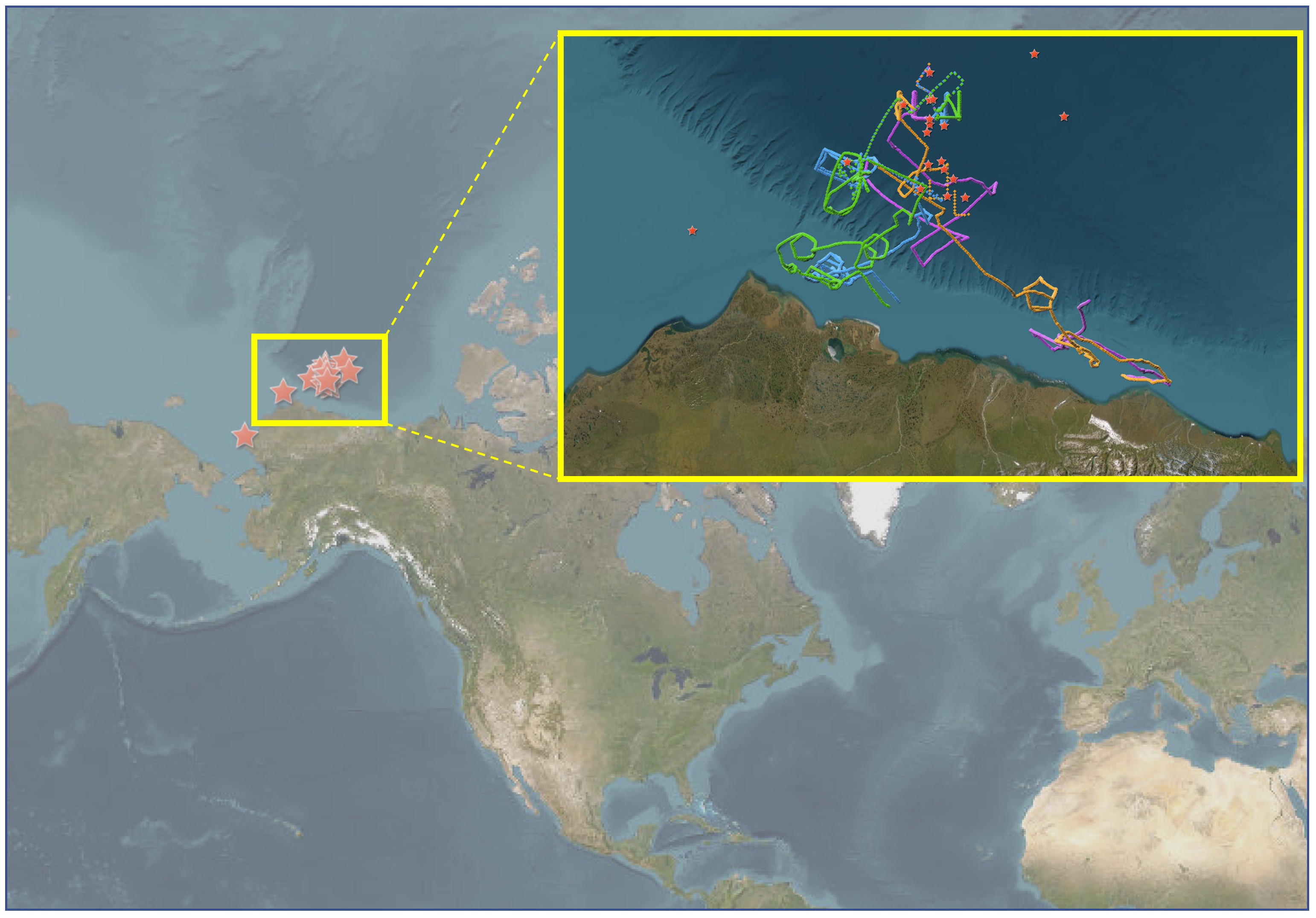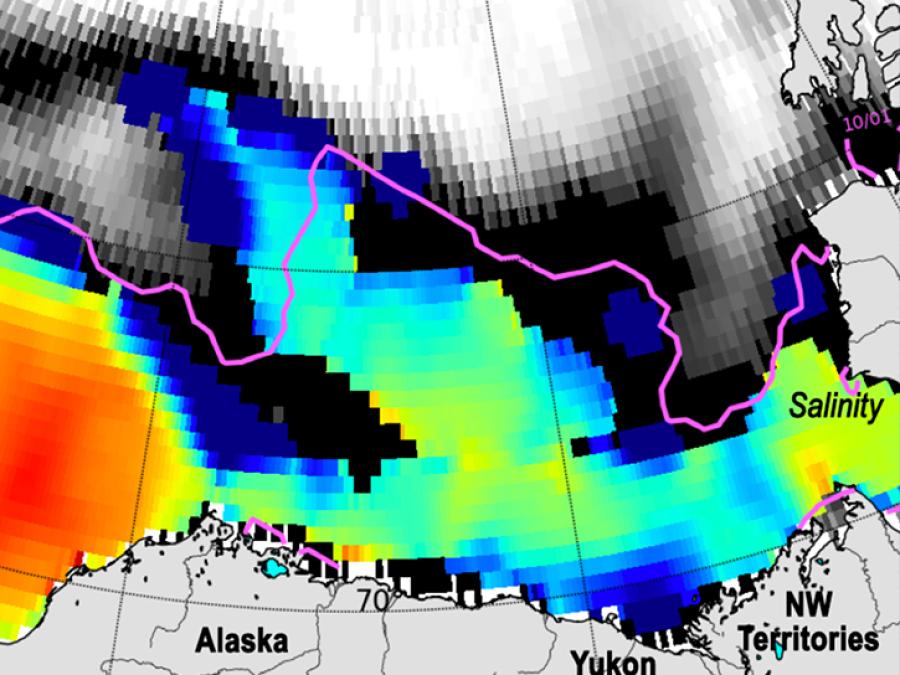
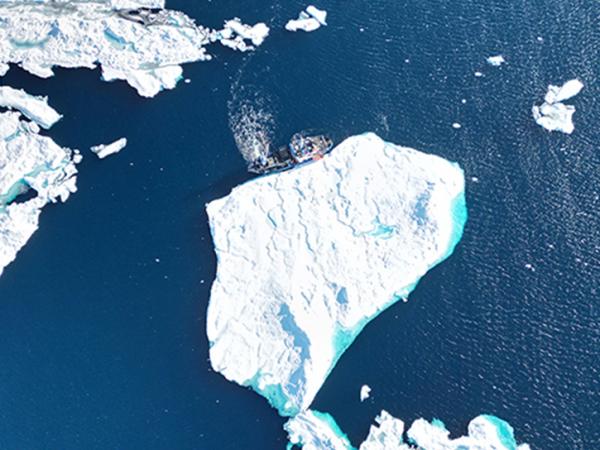
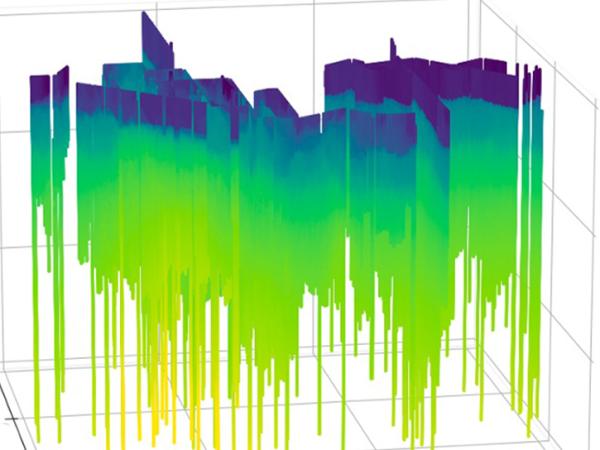
SASSIE sampled the transition from summer melt to autumn ice advance in the Beaufort Sea in August-October 2022, making intensive in situ and remote sensing observations within ~200 km of the sea ice edge. Detailed measurements of upper ocean and surface salinity and temperature, air-sea fluxes, surface waves, and sea ice properties were collected from ship-based sensors and numerous autonomous assets. Airborne sensors measured sea surface temperature (SST), sea surface salinity (SSS), wind speed, and visible imagery of sea ice.
Earthdata Forum is down due to unplanned maintenance. Please contact earthdata-support@nasa.gov with questions.
See the alert