The Stratospheric Tracers of Atmospheric Transport (STRAT) campaign was a field campaign conducted by NASA from May 1995 to February 1996. The primary goal of STRAT was to collect measurements of the change of long-lived tracers and functions of altitude, latitude, and season. These measurements were taken to aid with determining rates for global-scale transport and future distributions of high-speed civil transport (HSCT) exhaust that was emitted into the lower atmosphere.
STRAT had four main objectives:
- defining the rate of transport of trace gases from the stratosphere and troposphere (i.e., HSCT exhaust emissions),
- improving the understanding of dynamical coupling rates for transport of trace gases between tropical regions and higher latitudes and lower altitudes (between tropical regions, higher latitudes, and lower altitudes are where most ozone resides),
- improving understanding of chemistry in the upper troposphere and lower stratosphere, and finally;
- providing data sets for testing two-dimensional and three-dimensional models used in assessments of impacts from stratospheric aviation.
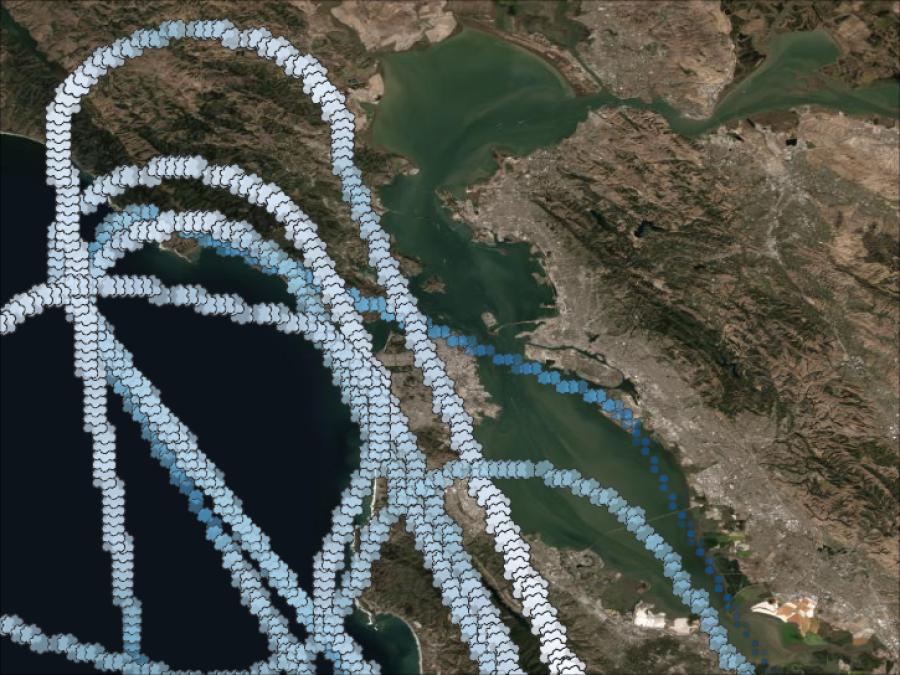
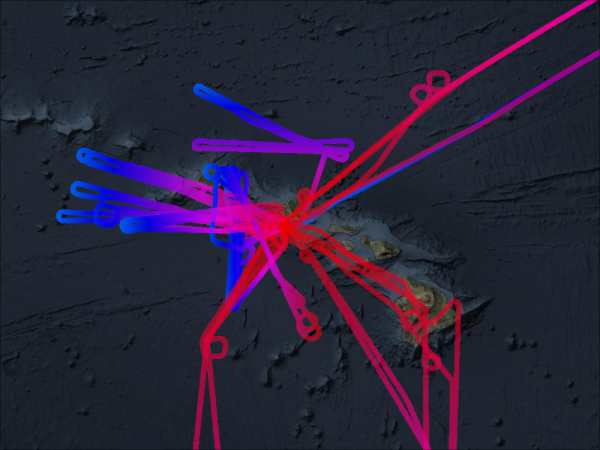
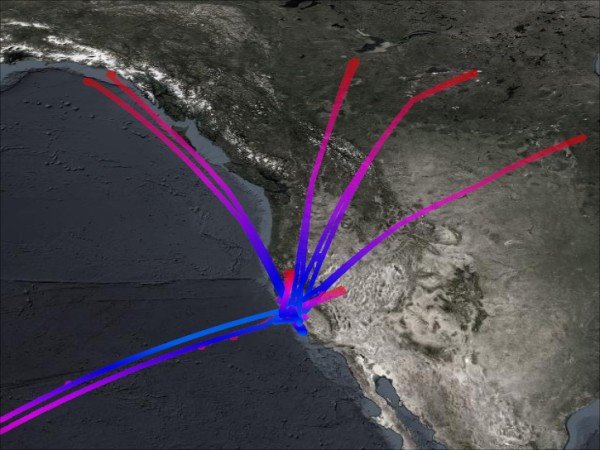
To accomplish these objectives, the STRAT Science Team conducted various surface-based remote sensing and in-situ measurements. NASA flew the ER-2 aircraft along with balloons such as ozonesondes and radiosondes just below the tropopause in the Northern Hemisphere to collect data.
Along with the ER-2 and balloons, NASA also utilized satellite imagery, theoretical models, and ground sites. The ER-2 collected data on HOx, NOy, CO2, ozone, water vapor, and temperature. The ER-2 also collected in-situ stratospheric measurements of N2O, CH4, CO, HCL, and NO using the Aircraft Laser Infrared Absorption Spectrometer (ALIAS). Ozonesondes and radiosondes were also deployed to collect data on CO2, NO/NOy, air temperature, pressure, and 3D wind.
These balloons also took in-situ measurements of N2O, CFC-11, CH4, CO, HCL, and NO2 using the ALIAS. Ground stations were responsible for taking measurements of O3, ozone mixing ratio, pressure, and temperature. Satellites took infrared images of the atmosphere with the goal of aiding in completing STRAT objectives. Pressure and temperature models were created to help plan the mission.