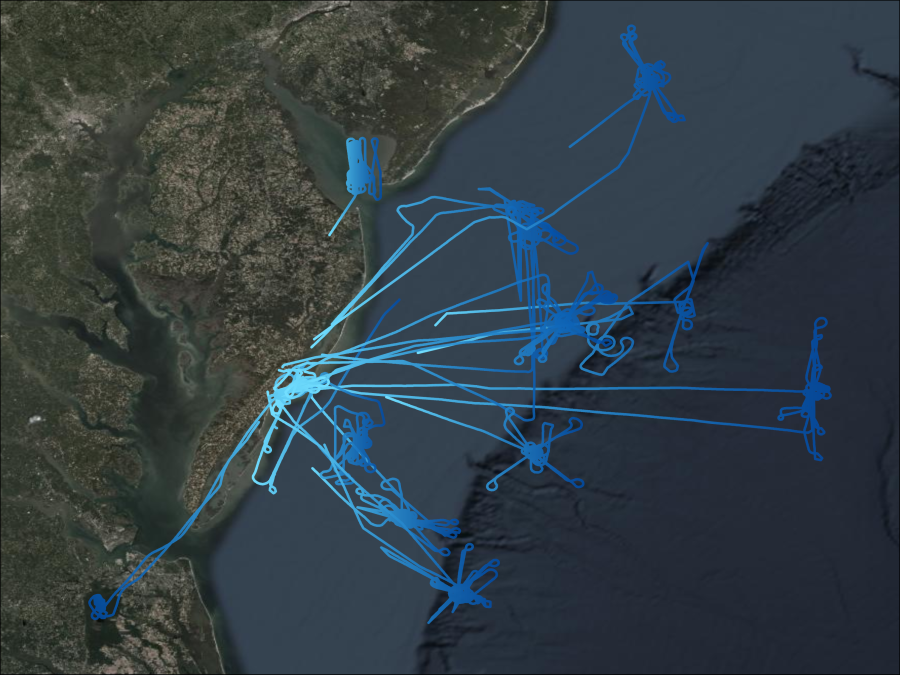
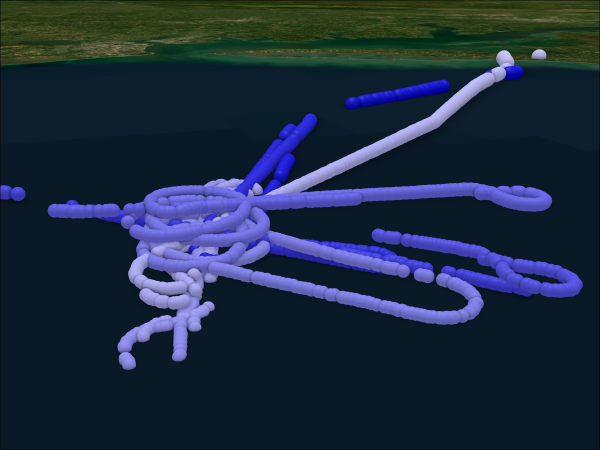
Aerosol effects on atmospheric radiation are a leading source of uncertainty in predicting future climate. The Tropospheric Aerosol Radiative Forcing Observational Experiment (TARFOX) was designed to reduce this uncertainty by measuring and analyzing aerosol properties and effects in the U.S. eastern seaboard, where one of the world's major plumes of industrial haze moves from the continent over the Atlantic Ocean. The TARFOX Intensive Field Campaign was conducted July 10-31, 1996 and included coordinated measurements from four satellites (GOES-8, NOAA-14, ERS-2, LANDSAT), four aircraft (ER-2, C-130, C-131A, and a modified Cessna), land sites, and ships. A variety of aerosol conditions was sampled, ranging from relatively clean behind frontal passages to moderately polluted with aerosol optical depths exceeding 0.5 at mid-visible wavelengths. Gradients of aerosol optical thickness were sampled to aid in isolating aerosol effects from other radiative effects and to more tightly constrain closure tests, including those of satellite retrievals. Early results from TARFOX include demonstration of the unexpected importance of carbonaceous compounds and water condensed on aerosol in the US mid-Atlantic haze plume, chemical apportionment of the aerosol optical depth, measurements of the downward component of aerosol radiative forcing, and agreement between forcing measurements and calculations.
Delivery of new Suomi NPP data ceases on Nov. 2, 2026. Users should transition to alternative products.
Suomi NPP data announcement