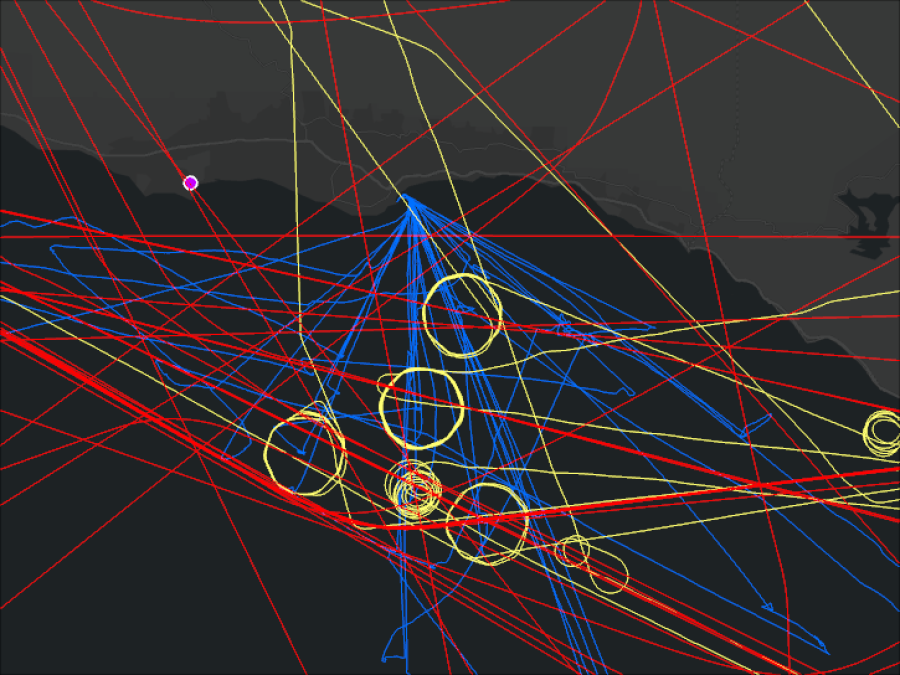
PACE-PAX Flightpaths
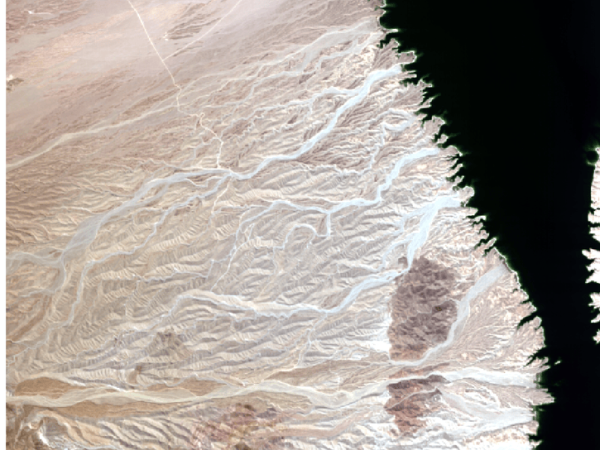
Reflectance from the PRISM instrument taken during the PACE-PAX Campaign
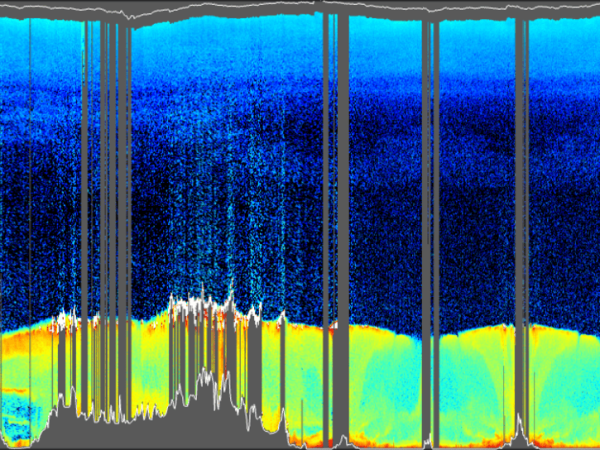
532 nm Lidar Backscatter Data from the HSRL instrument during the PACE-PAX Campaign

PACE-PAX

Plankton, Aerosol, Cloud, ocean Ecosystem Postlaunch Airborne eXperiment

Principal Investigator

Kirk Knobelspiesse

Data Centers

ASDC
LAADS DAAC

The Plankton, Aerosol, Cloud, ocean Ecosystem Postlaunch Airborne eXperiment (PACE-PAX) was a field campaign to gather data to support PACE mission validation. A secondary objective was help validate data from JAXA/ESA's Earth Cloud, Aerosol, and Radiation Explorer (EarthCARE) mission. 

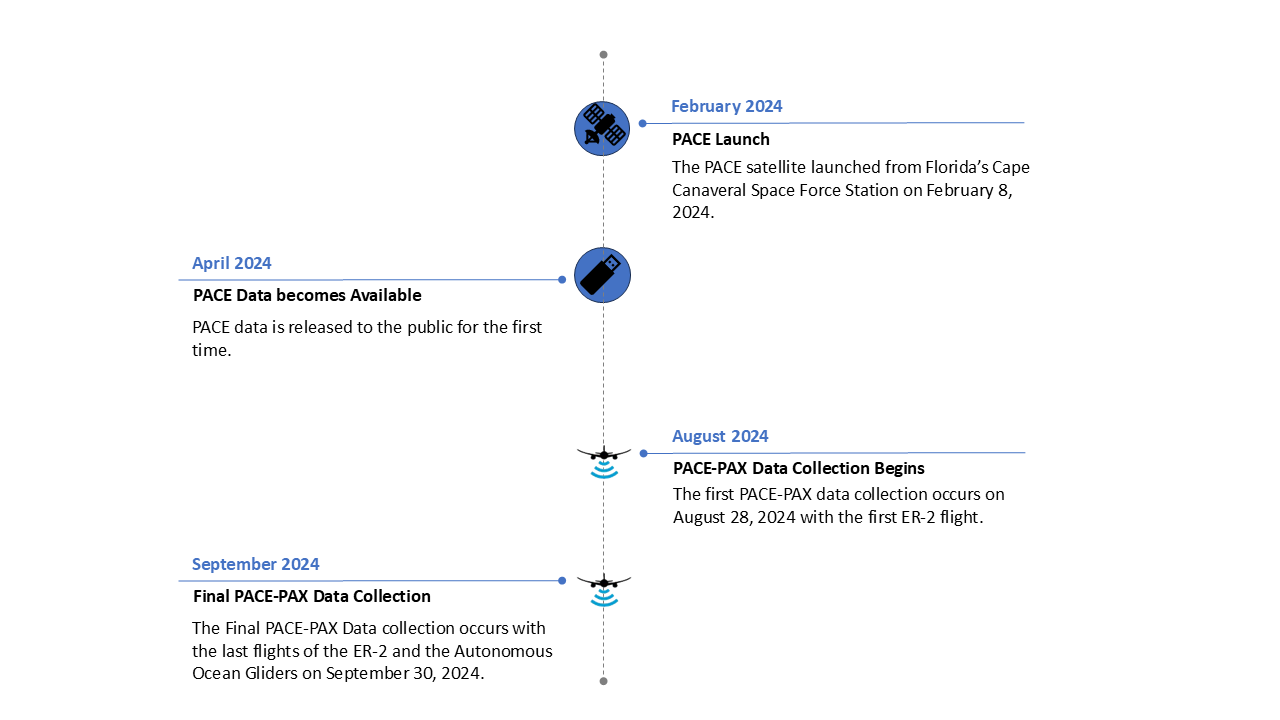
PACE-PAX was conducted in September 2024 in Southern and Central California and nearby coastal regions. The team flew 81 hours on the NASA ER-2 operating out of the NASA Armstrong Flight Research Center and 60 flight hours on the CIRPAS Twin Otter from Marina Municipal Airport. A NOAA vessel, the R/V Shearwater, operated 16 day trips out of Santa Barbara, while a privately owned sailboat, the R/V Blissfully, conducted nine sorties out of Long Beach. Numerous other entities — many of which were members of the PACE Validation Science Team (PVST) — cooperated to make coincident observations. 

Ocean data are archived at the SeaWiFS Bio-optical Archive and Storage System (SeaBASS), DOI10.5067/SeaBASS/PACE-PAX/DATA001 

The PACE-PAX mission website contains additional campaign documentation.

For more meteorology resources supporting PACE-PAX, please visit NASA Ames Airborne Science Meteorological Support for PACE-PAX.

  • Provide sufficient data to validate narrow swath orbital observations 
  • Validate radiometric and polarimetric properties 
  • Focus on specific processes or phenomena (e.g., high-aerosol loads over land and ocean, multiple aerosol layers) 
Image
Platform TypePlatformRelevant Instrument
Air-BasedER-2Airborne Hyper-Angular Rainbow Polarimeter 2 (AirHARP2)
High Spectral Resolution Lidar - 2 (HSRL-2)
Meteorology and Navigation Data
Merged PRISM/PICARD data
Portable Remote Imaging Spectrometer (PRISM) 
Pushbroom Imager for Cloud and Aerosol Research and Development (PICARD)
Research Scanning Polarimeter (RSP)
Spectro-Polarimeter for Exploration Airborne (SPEX Airborne)
AnalysisER-2
PRISM/PICARD
Merged PRISM/PICARD data (PACE/OCI proxy)
Air-BasedCIRPAS Twin Otter

Twin Otter Facility instruments:

  • Cloud and Aerosol Spectrometer (CAS)
  • Cloud Droplet Probe (CDP)
  • Cloud Imaging Probe (CIP)
  • Gerber Particulate Volume Monitor
  • GPS, attitude, winds, temperature, humidity, pressure
  • Heitronics KT 19.85 Pyrometer (downlooking)
  • HotWire Liquid Water Content (HW)
  • Passive-Cavity Aerosol Spectrometer Probe (PCASP)
  • SPN-1 Sunshine Pyranometer
  • Ultrafine Condensation Particle Counter

Langley Aerosol Research Group Experiment (LARGE) suite:

  • Aerodynamic Particle Sizer (APS)
  • Printed Optical Portable Spectrometer (POPS)
  • TSI-3563 Nephelometer
  • Tricolor Absorption Photometer (TAP)
  • Ultra-High Sensitivity Aerosol Spectrometer (UHSAS)
AnalysisIn-Situ Aerosol Retrieval Algorithm (ISARA)Merged CIRPAS Twin Otter In-Situ aerosol data for validation
Ground-BasedMarina Air Traffic Control Tower SiteAerodynamic Particle Sizer (APS)
Ultra-High Sensitivity Aerosol Spectrometer (UHSAS)
Spectral Aerosol Light Absorption Detector (SALAD)
Spectral aerosol Extinction instrument (SpEx)
Tricolor Absorption Photometer (TAP)
TSI-3563 Nephelometer
Ground-BasedAerosol Robotic Network (AERONET)1Cimel Sun Photometers
Water-BasedR/V Shearwater2Oceanographic instruments
Water-BasedR/V Blissfully2Oceanographic instruments

1Data available on the AERONET site.
2Data available at SeaBASS, DOI: 10.5067/SeaBASS/PACE-PAX/DATA001