Delivery of Suomi National Polar-orbiting Partnership (Suomi NPP) satellite data products will cease on November 1, 2026. Data users should transition now to alternative products from NOAA-21 and NOAA-20.
Suomi NPP data announcement
Webinars
Our online webinars, trainings, and workshops feature experts in various disciplines who share their knowledge in a particular subject area, from data in the cloud to specific data tools.
Featured Webinars
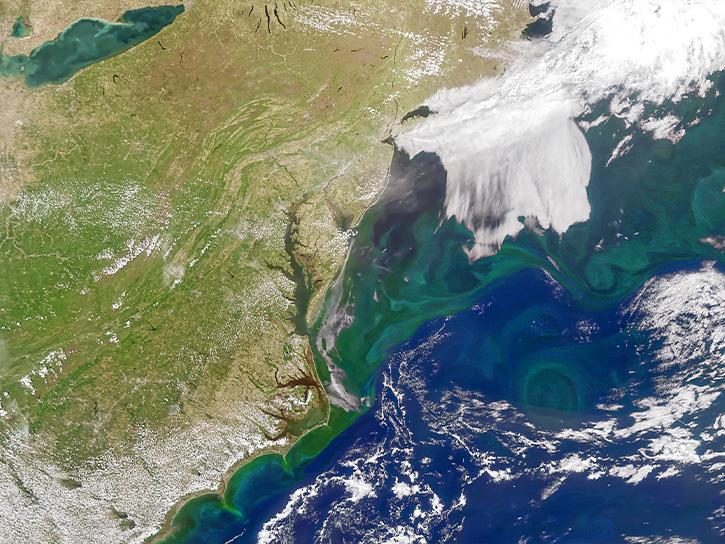
Learn about NASA’s Plankton, Aerosol, Cloud, ocean Ecosystem (PACE) mission, its data products and capabilities for terrestrial remote sensing, and how to explore the data through AppEEARS.
Sept. 23, 2026,1:00-2:00 p.m. EDT(1700-1800 UTC)
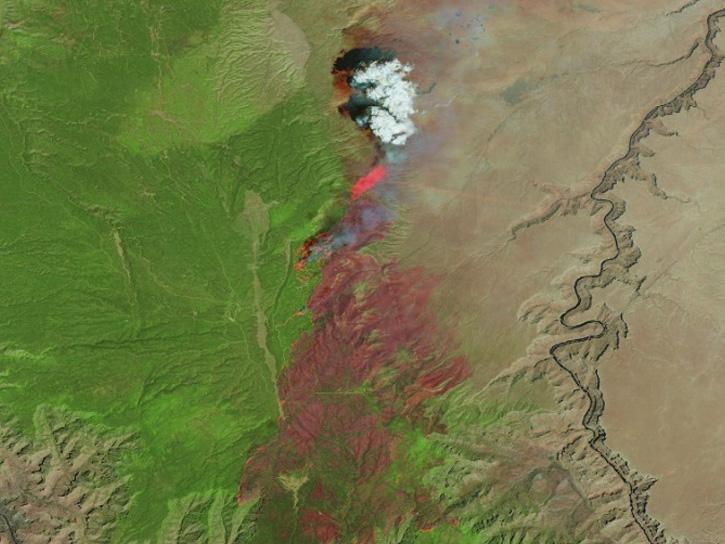
Learn how the Fire Information for Resource Management System (FIRMS) uses timely composite imagery to identify fire fronts, burned areas, and smoke.
July 16, 2026,2:00-3:30 p.m. EDT(1800-1930 UTC)
Diane Fritz, an associate scientist at NSIDC DAAC, demonstrates how to use the harmony-py Python library to customize data requests from the NASA Earthdata Cloud.
June 2, 2026,3:00-3:30 p.m. EDT(1900-1930 UTC)
Filters
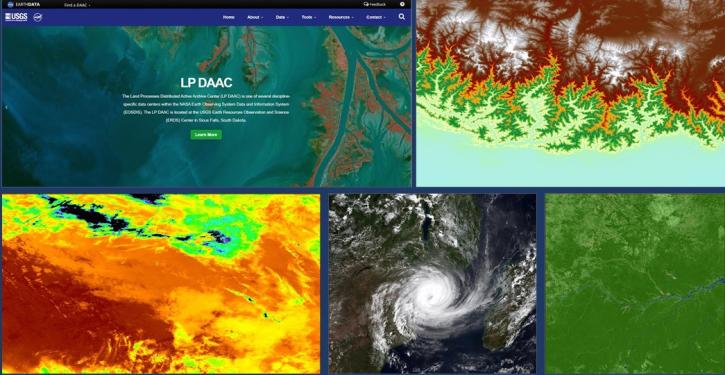
During this webinar we will provide answers to commonly asked questions about NASA land processes data, services and tools, and show you how to navigate the new LP DAAC website to discover data resources.
Aug. 22, 2019,2:00 p.m. EDT(1800 UTC)
Hosted by NASA's Goddard Earth Sciences Data and Information Services Center (GES DISC), the theme for this workshop is “Enhancing Knowledge with Giovanni”.
July 24, 2019,2:00-3:00 p.m. EDT(1800-1900 UTC)

Join us for the 4th Gregory G. Leptoukh Online Giovanni Workshop, hosted by NASA's Goddard Earth Sciences Data and Information Services Center (GES DISC). The theme for this workshop is “Enhancing Knowledge with Giovanni” and will showcase different ways Giovanni is used to enhance scientific knowledge.
July 24, 2019,2:00 p.m. EDT(1800 UTC)
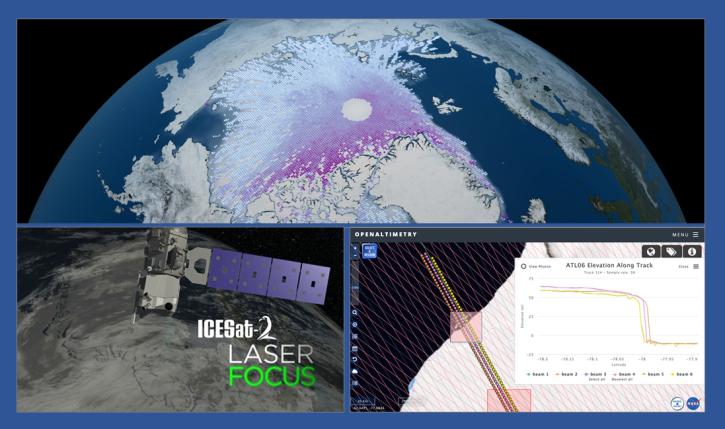
During this webinar we will introduce the ICESat-2 mission and show you how to explore, access and customize ICESat-2 data with the advanced discovery and visualization OpenAltimetry application, directly filter and access ICESat-2 data from an NSIDC DAAC data set page and subset, reformat and analyze ICESat-2 data using Python-based resources.
July 23, 2019,2:00 p.m. EDT(1800 UTC)
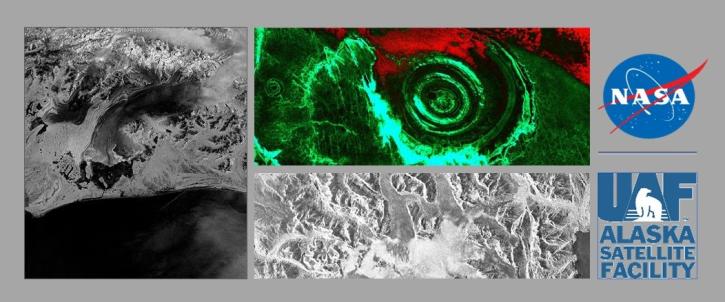
NASA's ASF DAAC has rolled out the first tool in its planned Advanced Products Toolbox for synthetic aperture radar (SAR) data with a single-command Radiometrically Terrain-Correct (RTC) tool. Join us for the tool demo and provide your input.
May 29, 2019,2:00 p.m. EDT(1800 UTC)
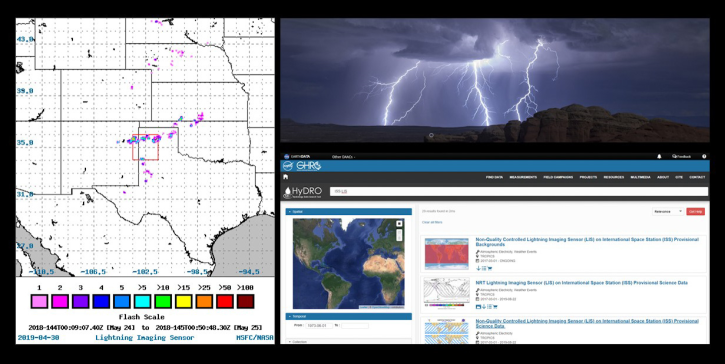
Join us to learn about the importance of lightning observations- for seasonal and long-term trends in lightning activity. We will focus on data and applications from the International Space Station's (ISS) Lightning Imaging Sensor (LIS) instrument.
May 8, 2019,2:00 p.m. EDT(1800 UTC)
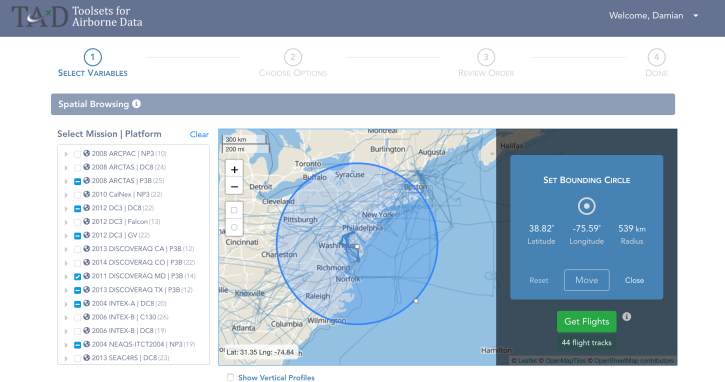
The talk will be focused around “How’s and “Why's” of full-stack Web site architecture, technology choices, and best practices. The featured use case is the Advanced Analysis of Airborne Chemistry Data web application. Target Audience: Web Engineers, Developers and Data Providers
May 3, 2019,2:00 p.m. EDT(1800 UTC)
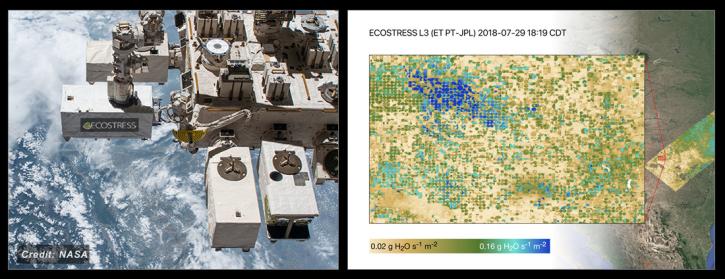
NASA's ECOSTRESS Mission studies how plants use water by measuring their temperature from space. Join us to learn more about ECOSTRESS mission measurements, data and tools!
March 28, 2019,2:00 p.m. EDT(1800 UTC)
SHOWING 8 OF 206