Delivery of Suomi National Polar-orbiting Partnership (Suomi NPP) satellite data products will cease on November 1, 2026. Data users should transition now to alternative products from NOAA-21 and NOAA-20.
Suomi NPP data announcement
Webinars
Our online webinars, trainings, and workshops feature experts in various disciplines who share their knowledge in a particular subject area, from data in the cloud to specific data tools.
Featured Webinars
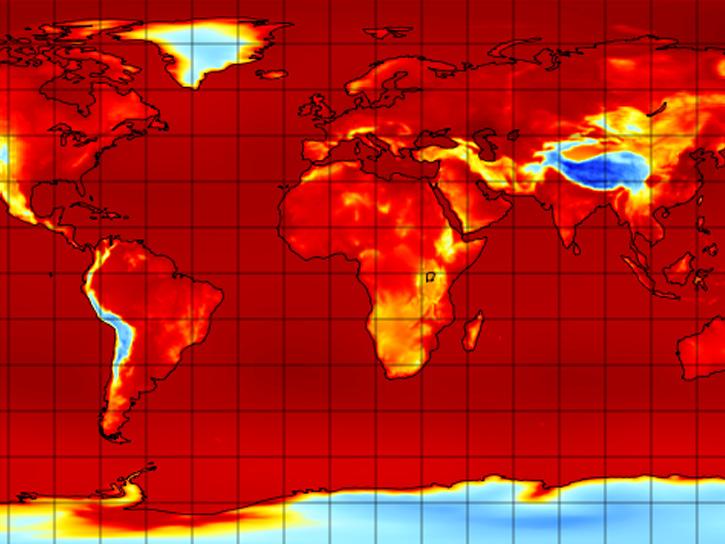
Learn the difference between downloading and streaming data, then work through an example.
Aug. 26, 2026,2:30-3:15 p.m. EDT(1830-1915 UTC)
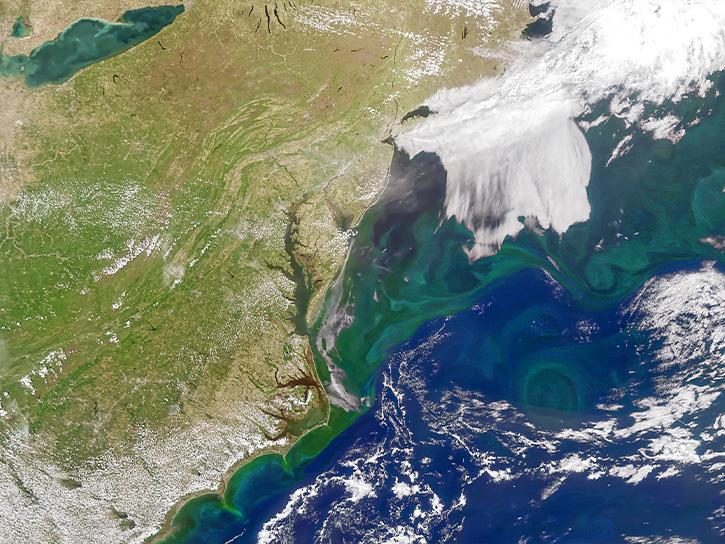
Learn about NASA’s Plankton, Aerosol, Cloud, ocean Ecosystem (PACE) mission, its data products and capabilities for terrestrial remote sensing, and how to explore the data through AppEEARS.
Sept. 23, 2026,1:00-2:00 p.m. EDT(1700-1800 UTC)
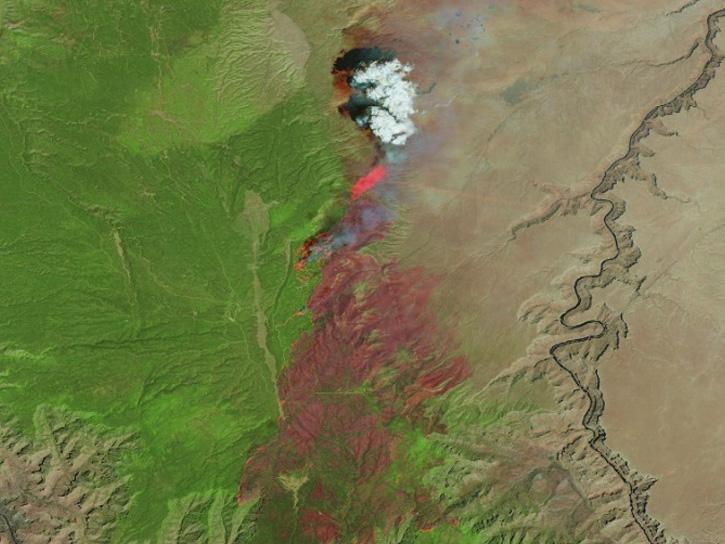
Learn how the Fire Information for Resource Management System (FIRMS) uses timely composite imagery to identify fire fronts, burned areas, and smoke.
July 16, 2026,2:00-3:30 p.m. EDT(1800-1930 UTC)
Filters
This webinar will compare sea surface salinity data collected by the Aquarius and SMAP missions. We will showcase data visualization and data access tools available through NASA's Physical Oceanography Distributed Active Archive Center.
Aug. 10, 2018,2:00 p.m. EDT(1800 UTC)
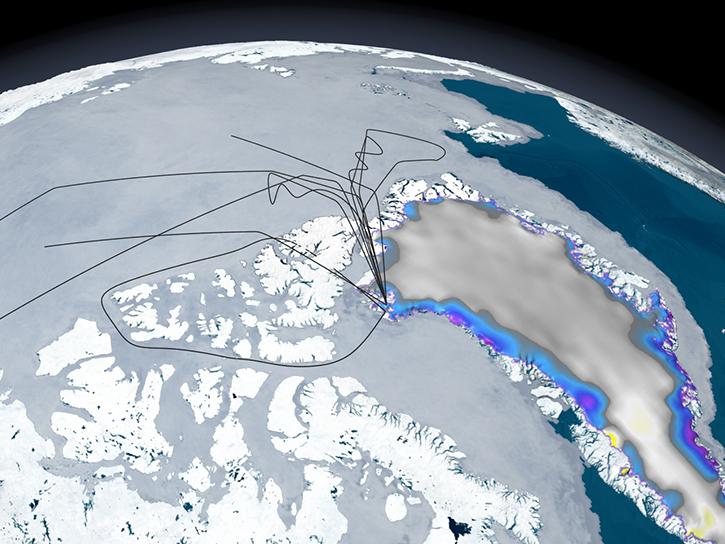
NASA’s Operation IceBridge airborne mission has flown over 700 flights through some of the most stunning regions of the Arctic and Antarctic. Join us to learn how to discover and access data that “bridges” the gap between the ICESat and ICESat-2 missions.
July 25, 2018,2:00 p.m. EDT(1800 UTC)
Join us to learn more about the new Landsat Analysis Ready Data (ARD), other improvements to the USGS Landsat archive and to hear a status update for the Landsat 9 mission
June 28, 2018,2:00 p.m. EDT(1800 UTC)
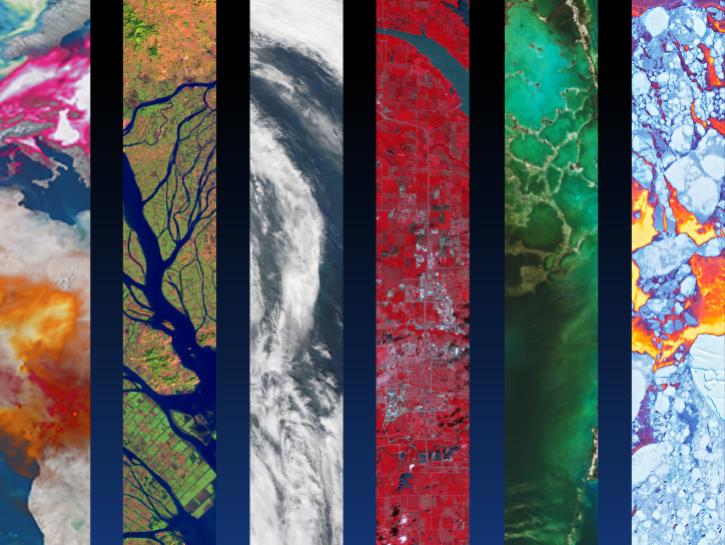
Through NASA FIRMS, users can interactively view fire data via the Fire Map, search for both VIIRS and MODIS active fires/hotspots and sign-up to receive automated Fire Email Alerts for their geographic areas of interest. Join us to learn more!
May 23, 2018,2:00 p.m. EDT(1800 UTC)
Join us to learn how to use NASA's GES DISC Level 2 Subsetter to subset SO2 swath data from the NASA Ozone Monitoring Instrument (OMI)!
March 28, 2018,2:00 p.m. EDT(1800 UTC)
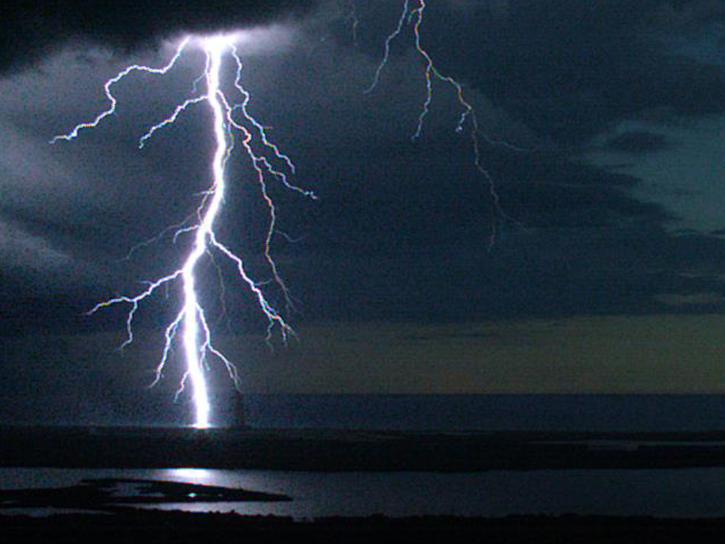
Join us to learn how the new International Space Station (ISS) Lightning Imaging Sensor (LIS) data can be used within Python, GIS and other applications to study lightning that occurred during the 2017 hurricane season.
March 7, 2018,2:00 p.m. EST(1900 UTC)
NASA GLOBE Clouds is an international citizen science program that collects cloud observations from participants around the world and compares them with satellite data. Learn more about the benefits and limitations of this citizen science data for scientific inquiry.
Feb. 28, 2018,2:00 p.m. EST(1900 UTC)
Join us to learn how to use NASA's Physical Oceanography Distributed Active Archive Center (PO.DAAC) State Of The Ocean (SOTO) toolkit to visualize and compare physical oceanography data!
Jan. 30, 2018,2:00 p.m. EST(1900 UTC)
SHOWING 8 OF 207