Delivery of Suomi National Polar-orbiting Partnership (Suomi NPP) satellite data products will cease on November 1, 2026. Data users should transition now to alternative products from NOAA-21 and NOAA-20.
Suomi NPP data announcement
Webinars
Our online webinars, trainings, and workshops feature experts in various disciplines who share their knowledge in a particular subject area, from data in the cloud to specific data tools.
Featured Webinars
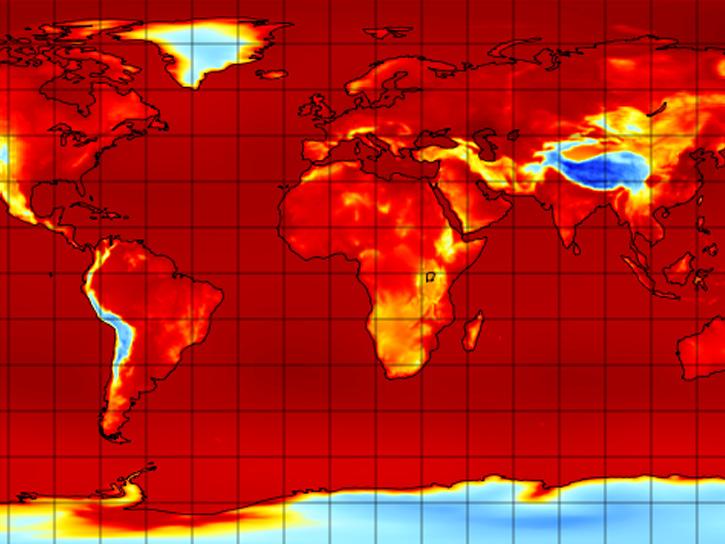
Learn the difference between downloading and streaming data, then work through an example.
Aug. 26, 2026,2:30-3:15 p.m. EDT(1830-1915 UTC)
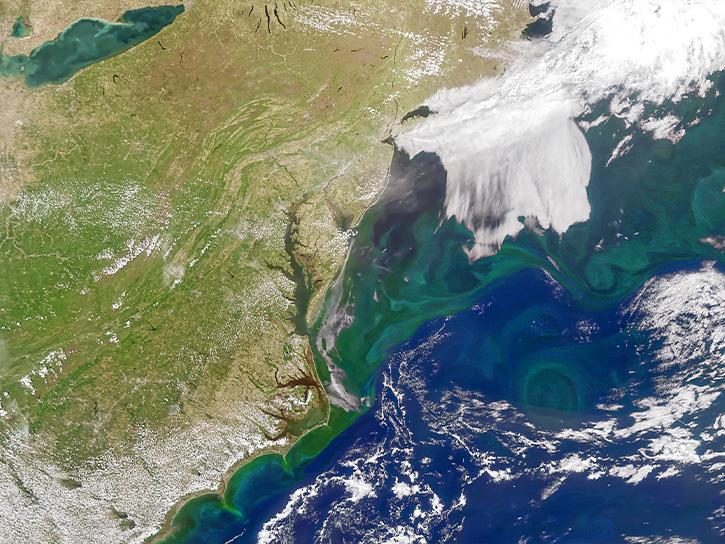
Learn about NASA’s Plankton, Aerosol, Cloud, ocean Ecosystem (PACE) mission, its data products and capabilities for terrestrial remote sensing, and how to explore the data through AppEEARS.
Sept. 23, 2026,1:00-2:00 p.m. EDT(1700-1800 UTC)
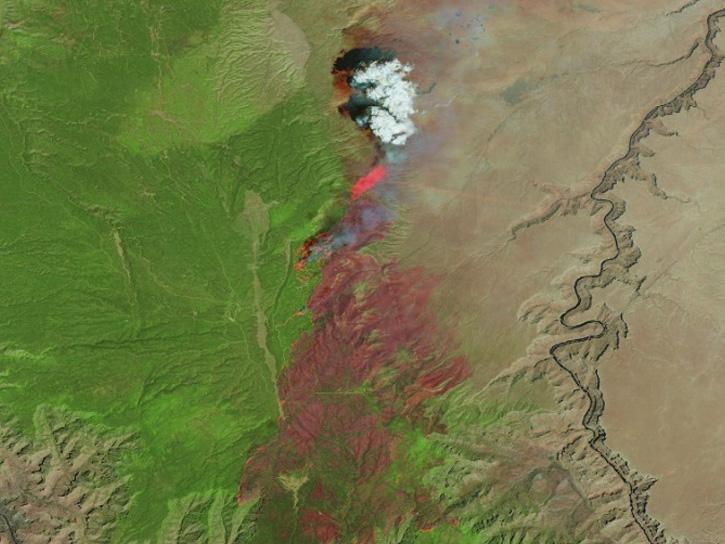
Learn how the Fire Information for Resource Management System (FIRMS) uses timely composite imagery to identify fire fronts, burned areas, and smoke.
July 16, 2026,2:00-3:30 p.m. EDT(1800-1930 UTC)
Filters

Join us as we show new and experienced users how to use Vertex to discover and access Sentinel-1 synthetic aperture radar (SAR) data at NASA's Alaska Satellite Facility (ASF) Distributed Active Archive Center (DAAC).
Feb. 22, 2017,2:00 p.m. EST(1900 UTC)
Join us for an interactive overview of tools and resources at NASA's Global Hydrometeorology Resource Center DAAC for accessing data related to hazardous weather, its governing dynamical and physical processes, and associated applications.
Feb. 8, 2017,2:00 p.m. EST(1900 UTC)
Satellite passive microwave sensors provide particularly useful Earth observations as they can 'see’ through clouds and collect measurements both day and night. Join us to learn more about a new, enhanced-resolution passive microwave dataset!
Feb. 1, 2017,2:00 p.m. EST(1900 UTC)
Join us as we discuss remote sensing derived environmental indicator datasets that can enable environmental decision making. We focus on three major issue areas: ambient air pollution, coastal eutrophication and biomass burning.
Nov. 28, 2016,2:00 p.m. EST(1900 UTC)
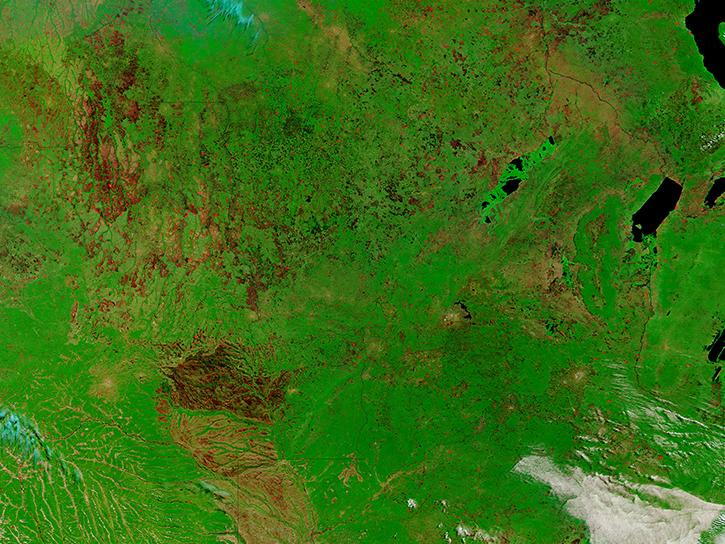
Learn how to access and use Moderate Resolution Imaging Spectroradiometer (MODIS) Version 6 land data.
Nov. 22, 2016,11:00 a.m. - 12:00 p.m. EST(1600-1700 UTC)

Join us to learn how Toolsets for Airborne Data (TAD) facilitates quick and efficient airborne data discovery across data variables. Multiple filtering capabilities such as search based on high-level parameter groups, mission, platform and flight data ranges are available!
Oct. 26, 2016,2:00 p.m. EDT(1800 UTC)
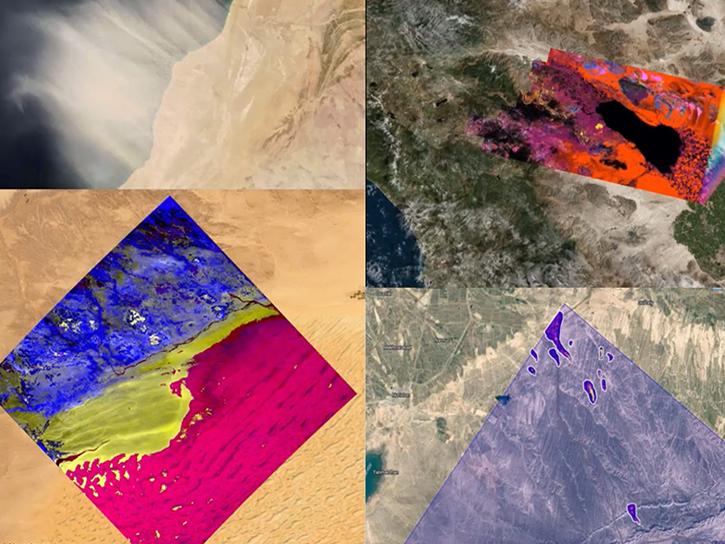
View LP DAAC's presentation at the Black Hills Digital Mapping Association's 2016 annual conference.
Oct. 4, 2016,11:00 a.m. - 12:00 p.m. EDT(1500-1600 UTC)
Interested in NASA's physical oceanography data? Join us to learn how to use the HiTIDE data subsetting tool for swath data as well as the PO.DAAC Drive, which provides http-based access to NASA PO.DAAC data holdings.
Sept. 28, 2016,2:00 p.m. EDT(1800 UTC)
SHOWING 8 OF 207