We are in the process of migrating all NASA Earth science data sites into Earthdata from now until end of 2026. Not all NASA Earth science data and resources will appear here until then. Thank you for your patience as we make this transition.
Read about the Web Unification Project
Ocean Learning Resources
Webinars, tutorials, data recipes and more to help you work with Ocean.
Get Started with the Data Basics
Processing remote sensing data can be overwhelming at first. We have resources to help with your journey through finding, processing, and visualizing remote sensing data.

The life cycle of Earth observation data is rich and complex, with many points of entry along the pipeline. From collection to visualization, we dive deep into the basics to demystify the incredible data in our catalog.
Data Basics
Oct. 19, 2024
Fundamentals of Remote Sensing introduces participants to the underlying science of satellite remote sensing.
Training
Ongoing
Filters
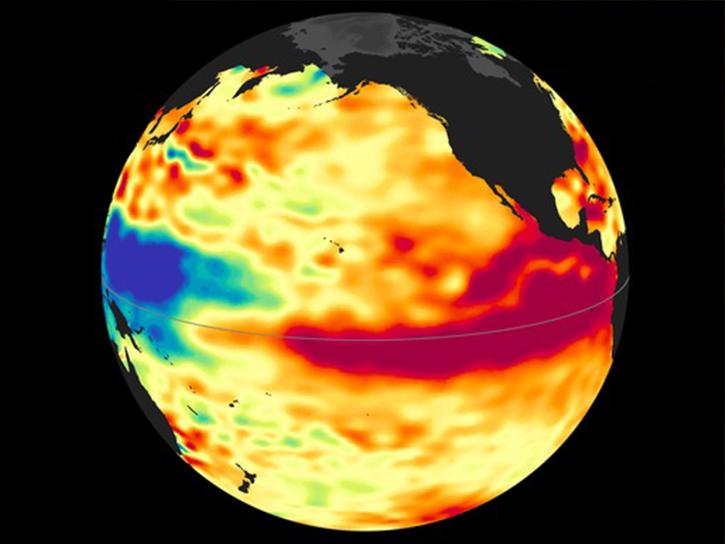
Learn how more recent anomalies are compared with previous El Niño events to gain a potential sense about future development and related impacts.
Data in Action
Sept. 3, 2015
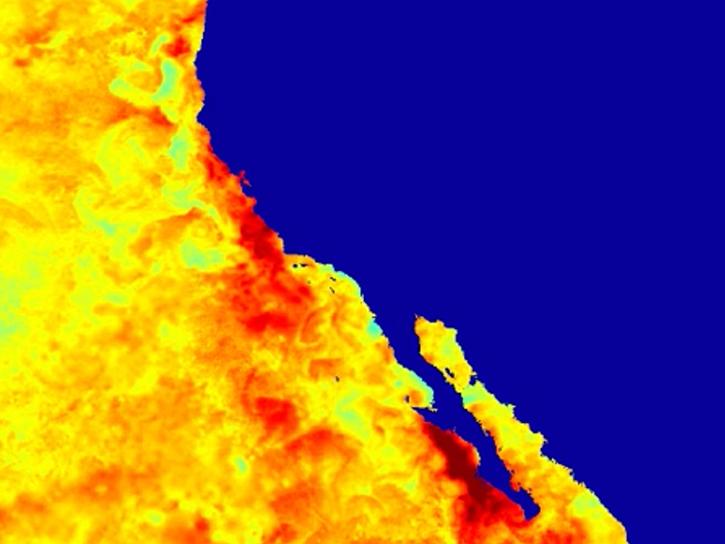
Learn about intensified coastal warming along central-to-southern California in 2014 using satellite sea surface temperature imagery.
Data in Action
Sept. 4, 2014
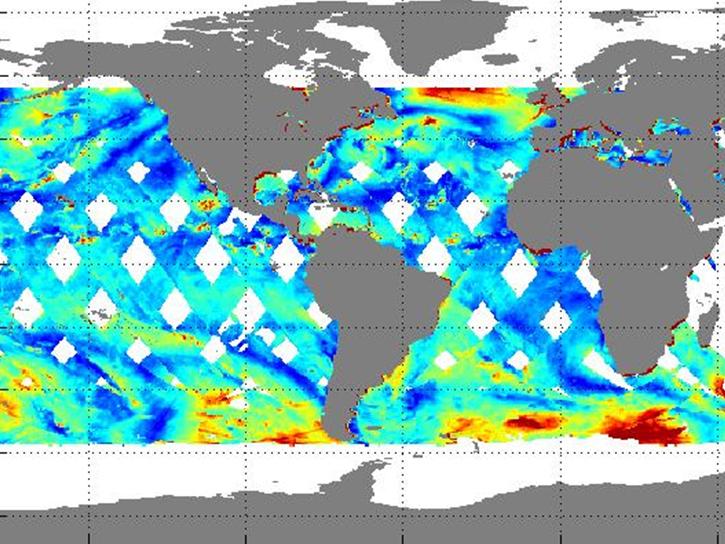
Learn how NASA's RapidScat observes daily cycles of wind created by solar heat.
Data in Action
July 17, 2014
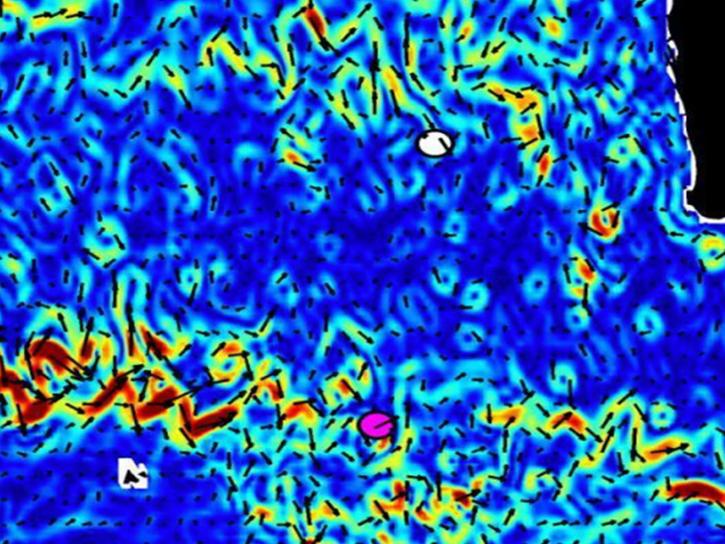
NASA's OSCAR data were used to analyze ocean currents to track debris fields for Malaysian Airlines flight 370.
Data in Action
April 4, 2014

NASA satellites and instruments provide global wave height observations and ocean vector winds on a daily basis.
Data in Action
Jan. 14, 2014

Aquarius detected the effects of an extreme Mississippi river flooding event into the Gulf of America.
Data in Action
Nov. 11, 2013
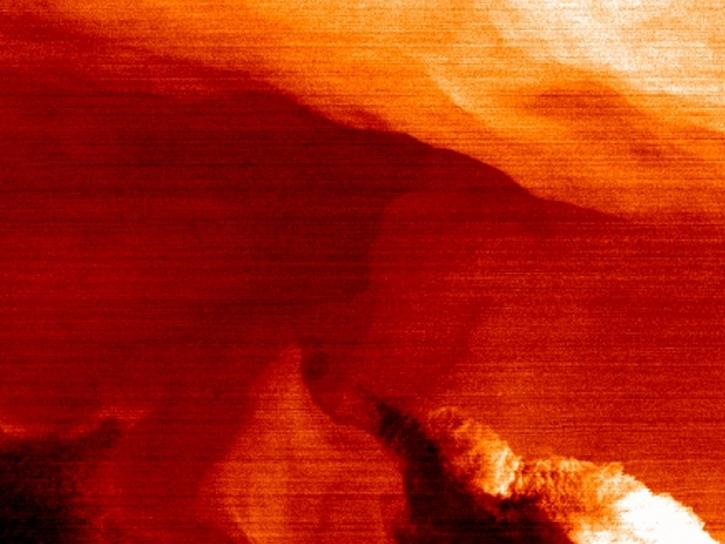
NASA’s SWOT satellite will measure sea level height variations on spatial scales down to a few kilometers.
Data in Action
Aug. 17, 2013
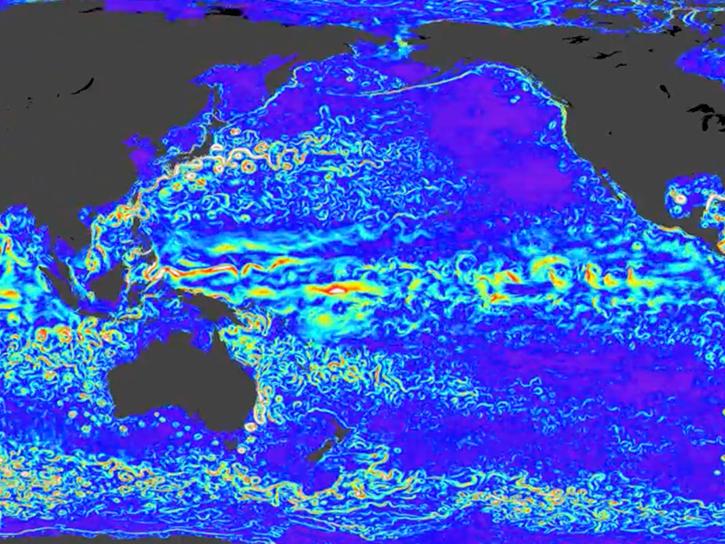
TOPEX/Poseidon provided more than 13 years of data, while two follow-on missions—Jason-1 and Jason-2—have extended the time series of data to more than 20 years.
Data in Action
Dec. 12, 2012
SHOWING 8 OF 126
Frequently Asked Questions
Earthdata Forum
Our online forum provides a space for users to browse thousands of FAQs about research needs, data, and data applications. You can also submit new questions for our experts to answer.
Submit Questions to Earthdata Forumand View Expert Responses