Earthdata Forum is down due to unplanned maintenance. Please contact earthdata-support@nasa.gov with questions.
See the alert
Ocean Learning Resources
Webinars, tutorials, data recipes and more to help you work with Ocean.
Get Started with the Data Basics
Processing remote sensing data can be overwhelming at first. We have resources to help with your journey through finding, processing, and visualizing remote sensing data.

The life cycle of Earth observation data is rich and complex, with many points of entry along the pipeline. From collection to visualization, we dive deep into the basics to demystify the incredible data in our catalog.
Data Basics
Oct. 19, 2024
This ARSET training introduces participants to the underlying science of satellite remote sensing.
Training
Ongoing
Filters

These resources will help with transitioning from MODIS and Suomi NPP VIIRS products to current datasets.
Tutorial
Oct. 26, 2026
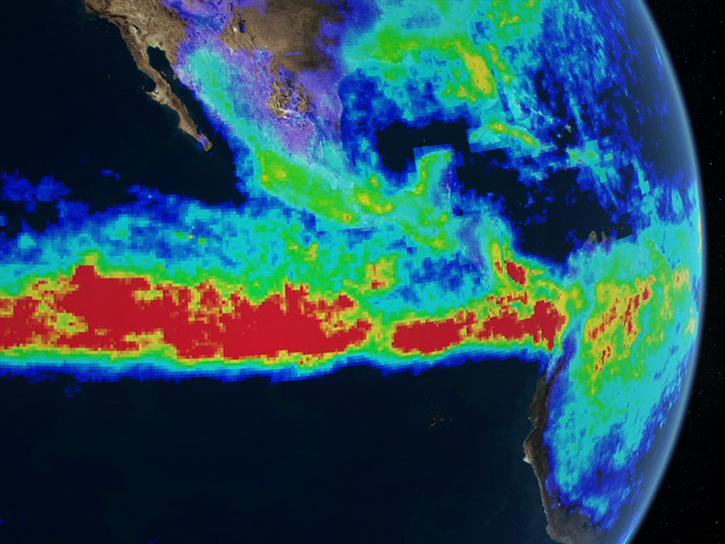
The Sentinel-6 Michael Freilich and SWOT satellites are monitoring a potentially record-strength El Niño from the deep Pacific to the coast.
Data in Action
Oct. 23, 2026
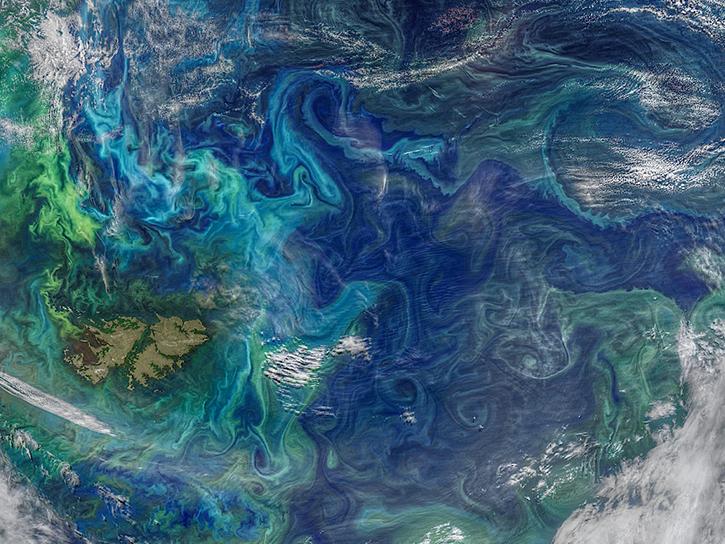
Ocean Data Help Hub
This regularly updated collection of Jupyter notebooks is meant to help users access, visualize, and analyze OB.DAAC data products with Python.
External Resource
GitHub Repository
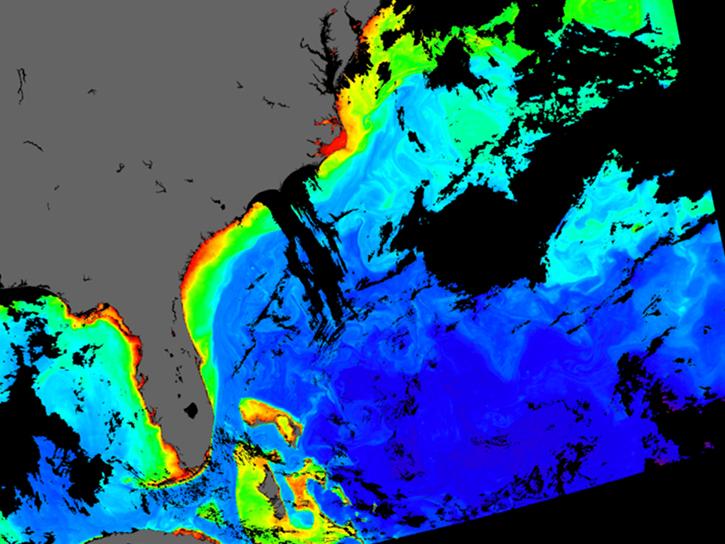
Search for and access OCI data with earthaccess and python.
Data Recipe
Oct. 9, 2026
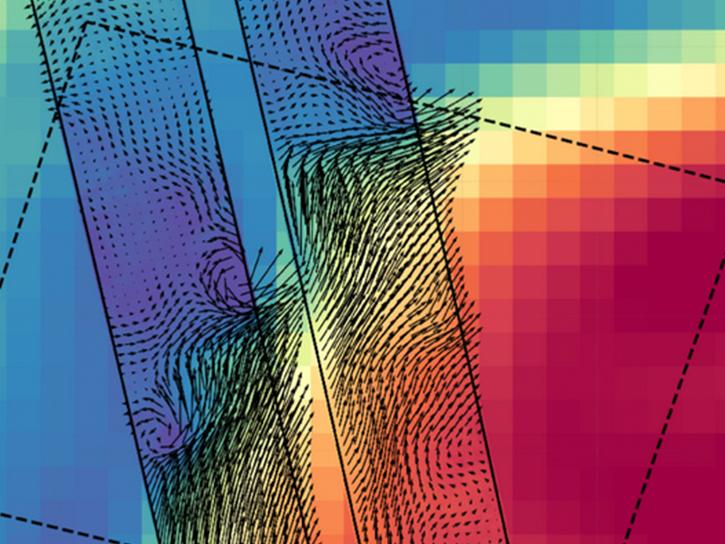
NASA's new Earth-observing satellites map ocean physics and biology just hours apart, marking a leap forward in tracking fast-evolving, small-scale ocean phenomena from space.
Data in Action
Sept. 14, 2026
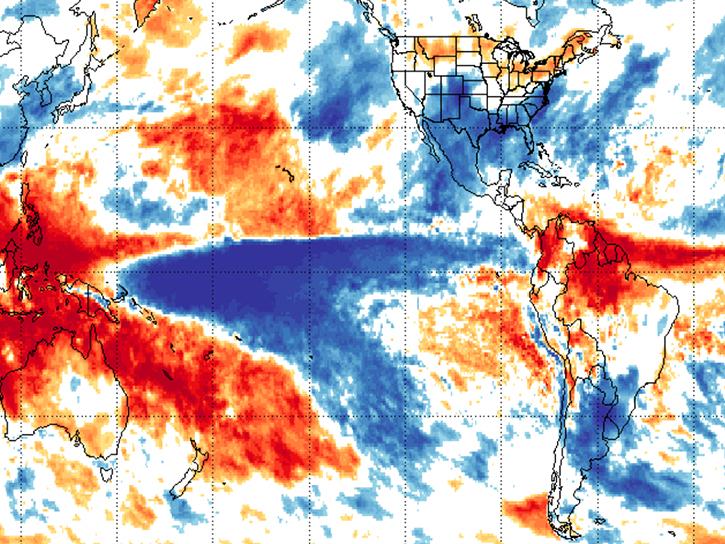
El Nino-Southern Oscillation ocean patterns affects global precipitation. IMERG monthly data (principal components) show us where.
StoryMap
Aug. 14, 2026

Processing PACE and EMIT Data
This tutorial will demonstrate how to preprocess the EMIT and PACE reflectance data so that they can be used together to investigate science questions. Using the emit_tools and pace_tools modules, the data are orthorectified, geolocated, merged where needed, and resampled onto a common grid, enabling direct comparison of observations from the two sensors.
External Resource
Jupyter Notebook
July 14, 2026
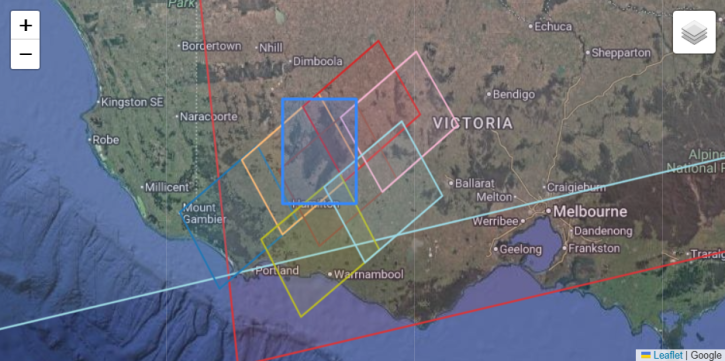
Find Colocated PACE and EMIT Data
This tutorial demonstrates how to find colocated EMIT and PACE Ocean Color Instrument (OCI) granules using the earthaccess Python library.
External Resource
Jupyter Notebook
July 14, 2026
SHOWING 8 OF 137
Get Help
QUESTIONS & SUPPORT
Have a question?
Get help with NASA Earth science data, datasets, tools, services, and metadata on the Earthdata Forum. Experienced staff in the data user community review and answer questions.
Get help on Earthdata ForumEarthdata
Forum
Forum