We are in the process of migrating all NASA Earth science data sites into Earthdata from now until end of 2026. Not all NASA Earth science data and resources will appear here until then. Thank you for your patience as we make this transition.
Read about the Web Unification Project
ASF DAAC News
Read the latest news stories, feature articles, user stories, and blog posts that feature data archived by NASA's Alaska Satellite Facility Distributed Active Archive Center (ASF DAAC).
For real-time announcements about data outages, releases, and retirements, see our list of Data Alerts and Outages.
Filters
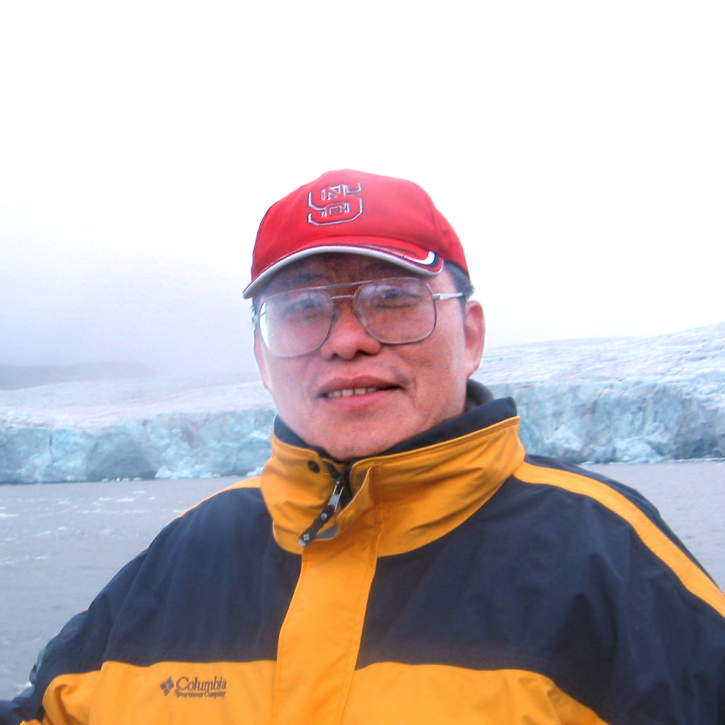
Who uses NASA Earth science data? Dr. Xiaofeng Li, to study atmospheric and oceanic processes.
Data User Story
April 22, 2021
The ability for Synthetic Aperture Radar (SAR) to create high-resolution imagery regardless of atmospheric conditions makes it a key technology for studies of change over time. Dr. Paul Siqueira’s work improves these sensors and the Earth observing data they collect.
Data User Story
April 22, 2021
For the people of Asia and Southeast Asia, water is integral to their livelihood. Dr. Hossain uses NASA Earth observing data to improve water management and accelerate economic development in these regions.
Data User Story
April 22, 2021
Data access has changed over the years, and Dr. Josef Kellndorfer has played an integral role in the adoption of new technology.
Data User Story
April 1, 2021
Find and download synthetic aperture radar (SAR) data with asf_search, a new python module available through PyPI and Conda.
News
April 1, 2021
Ground deformation caused by the April 25 Nepal earthquake is clearly visible in this new interferogram processed from Sentinel-1A data by ASF DAAC scientists Franz Meyer and Wenyu Gong.
News
March 30, 2021
Find EOSDIS dataset and data tool news, top stories, featured data images, webinars, links to new learning resources, data recipes, and Data User Profiles.
News
March 10, 2021
Phased array L-band synthetic aperture radar (PALSAR) data from Japan’s Advanced Land Observing Satellite (ALOS-1) mission are now unrestricted, and can be accessed by scientists and researchers around the world.
Feature Article
March 1, 2021
Pagination
SHOWING 8 OF 171