Ocean waves data from NASA range from regularly updated high-resolution Sentinel-1 radar imagery to historical Seasat data. Our datasets and tools help users find and integrate the data they need to learn more about the nature of ocean waves and their contributions to sea and coastal processes.
Ocean Waves Data Access and Tools
Table of contents
Ocean Waves Datasets
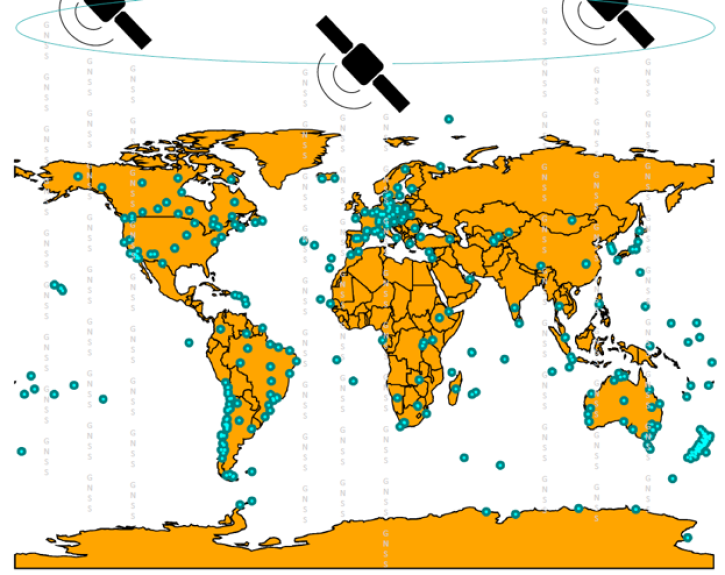
Featured Ocean Waves Observation Method: GNSS
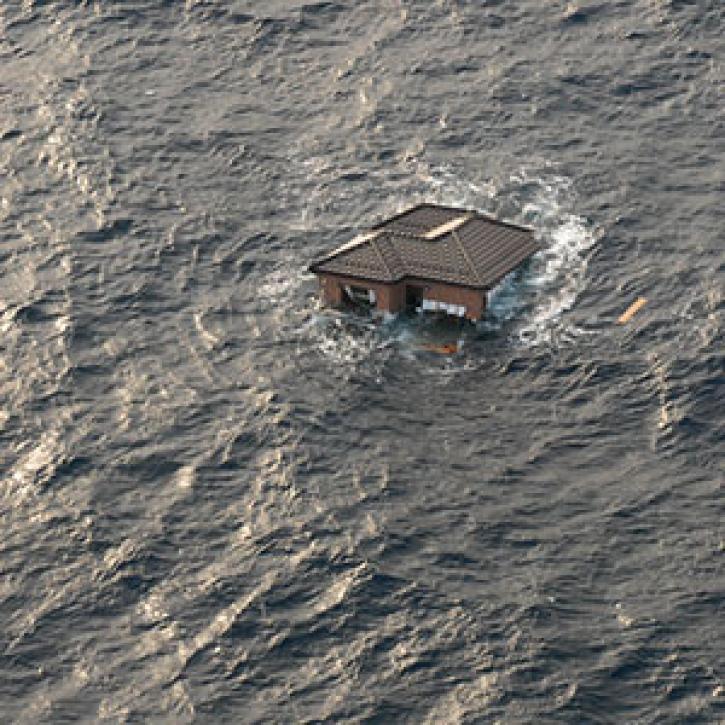
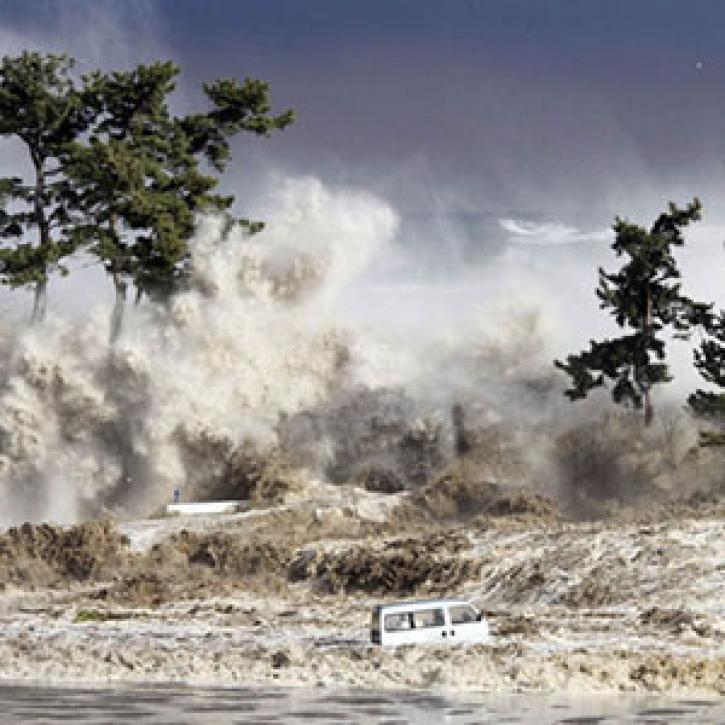
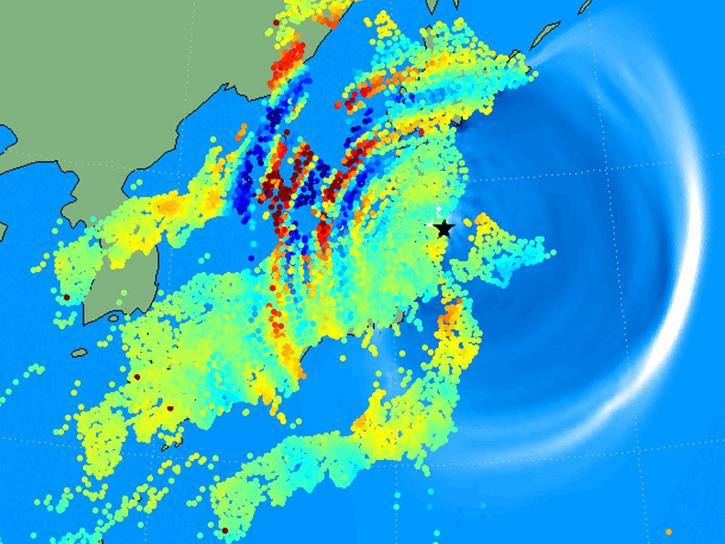
Data from a Global Navigation Satellite System (GNSS), such as global positioning system (GPS) measurements, can be used to estimate the strength and direction of tsunamis following an earthquake by calculating how much land moved near water and the energy transmitted into the ocean.
Join us on Sept. 28 to learn about the NASA Making Earth System Data Records (ESDR) for Use in Research Environments (MEaSUREs) Extended Solid Earth Science ESDR System (ESESES) project, whose Global Navigation Satellite System (GNSS)-derived data products enable research on tectonic motion, crustal deformation, earthquakes, tsunamis, sea level rise, extreme weather, and more!
Learn how to use the GNSS-based Upper Atmospheric Realtime Disaster Information and Alert Network (GUARDIAN) ionospheric monitoring software to supplement early warning systems (EWS) detections of natural hazards such as tsunamis, volcanic eruptions, earthquakes, and geomagnetic and solar storms.
Get Help
QUESTIONS & SUPPORT
Have a question?
Get help with NASA Earth science data, datasets, tools, services, and metadata on the Earthdata Forum. Experienced staff in the data user community review and answer questions.
Get help on Earthdata ForumEarthdata
Forum
Forum