We are in the process of migrating all NASA Earth science data sites into Earthdata from now until end of 2026. Not all NASA Earth science data and resources will appear here until then. Thank you for your patience as we make this transition.
Read about the Web Unification Project
Featured Projects
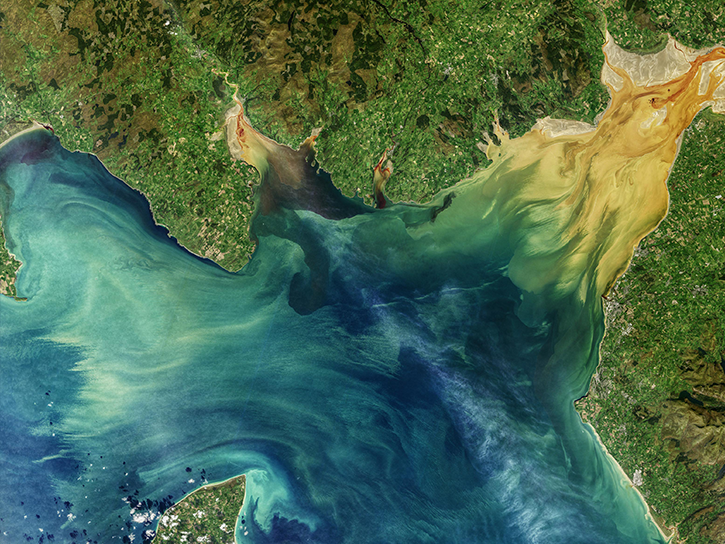
NASA's Applied Remote Sensing Training (ARSET) program teaches people to use Earth-observing data in their environmental management and decision-making.

At night, satellite images of Earth capture a uniquely human signal—artificial lighting. Remotely-sensed lights at night improve our understanding of interactions between human systems and the environment.
Explore All Projects
Filters
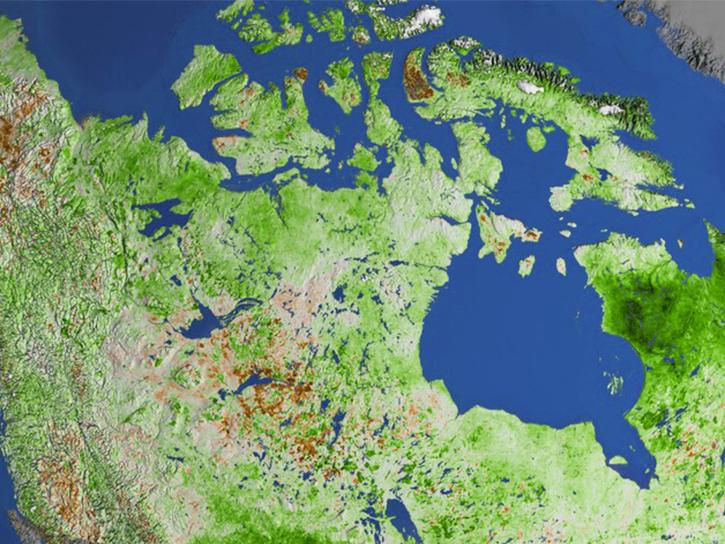
BOREAS focused principally on radiation, biogeochemical, and chemical interactions between the boreal forest and troposphere through winter, summer, and transitional seasons.
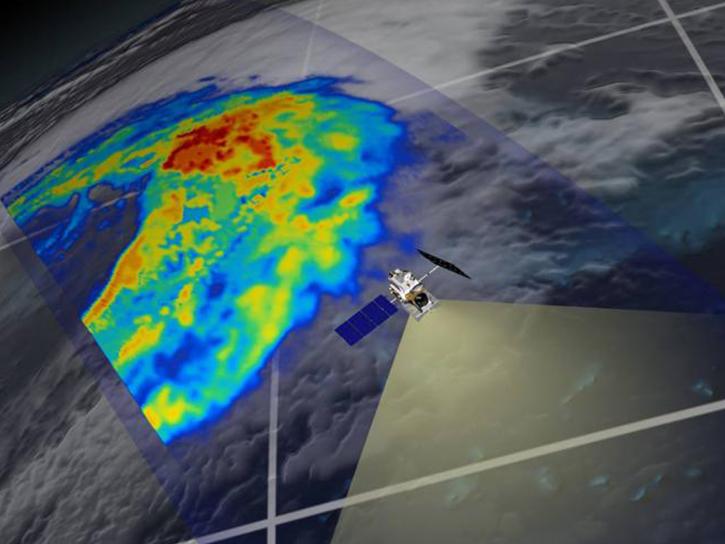
The Canadian CloudSat/CALIPSO Validation Project (C3VP) used various ground-based and airborne instrumentation to thoroughly study cold season precipitation systems and therefore improve the modeling and remote sensing of snowfall.

CALIOP aerosol retrievals improve when constrained by external AOD sources, showing better agreement with independent HSRL airborne measurements.
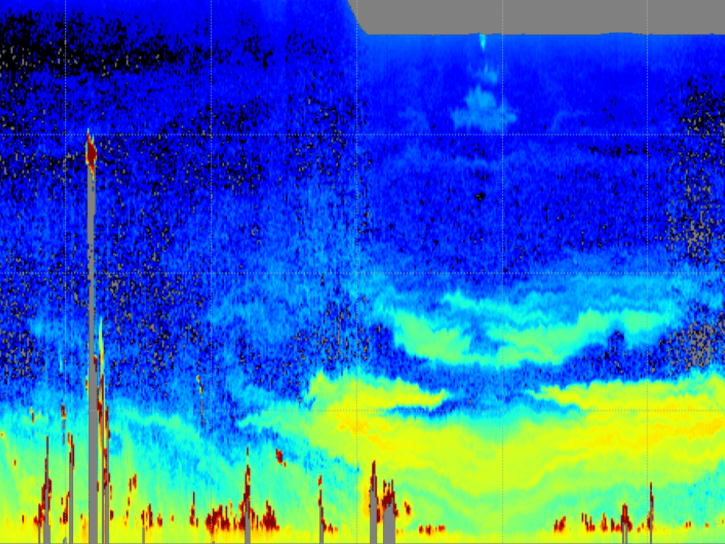
The NASA LaRC High Spectral Resolution Lidar was deployed on 147 aircraft underflights of CALIPSO to provide validation measurements.

The goal of CALIPSO-NVF was to conduct nighttime underflights of the CALIPSO satellite with the NASA Langley High Spectral Resolution Lidar (HSRL-2).
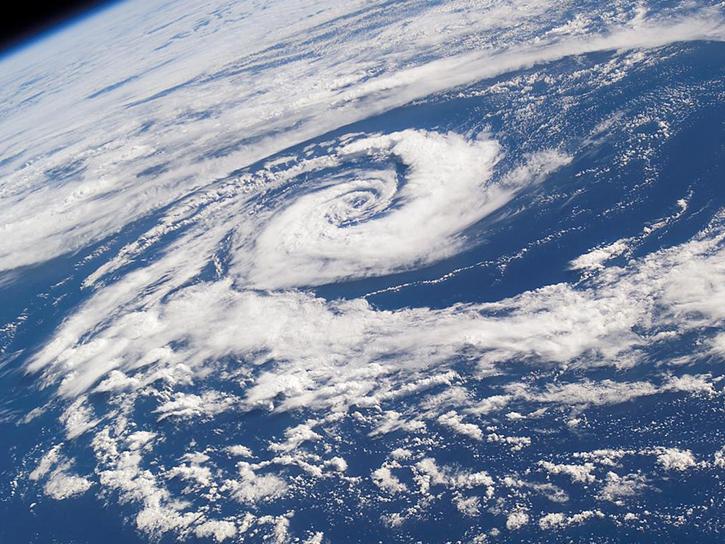
NASA's Convection and Moisture Experiment 1 (CAMEX-1) was a NASA funded experiment designed to study the three-dimensional moisture fields using satellite, aircraft, and ground-based instrumentation and the multifrequency radiometric and lightning signatures of tropical convection.
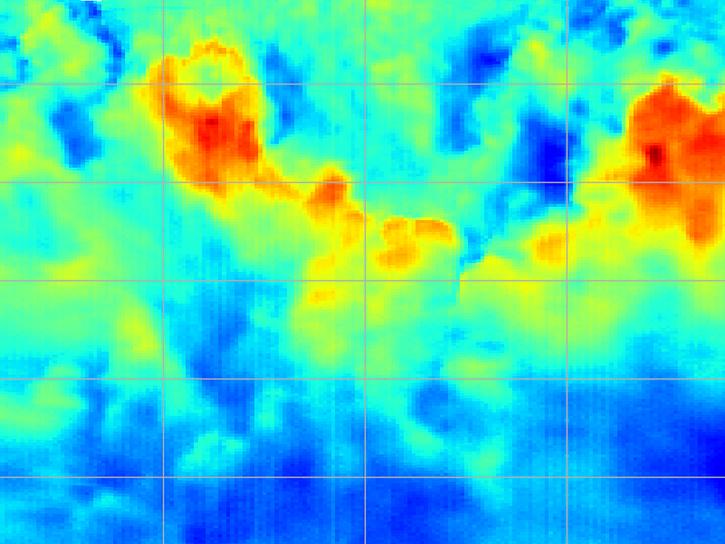
NASA's Convection and Moisture Experiment 2 (CAMEX-2) was a NASA funded experiment designed to study three-dimensional moisture fields.
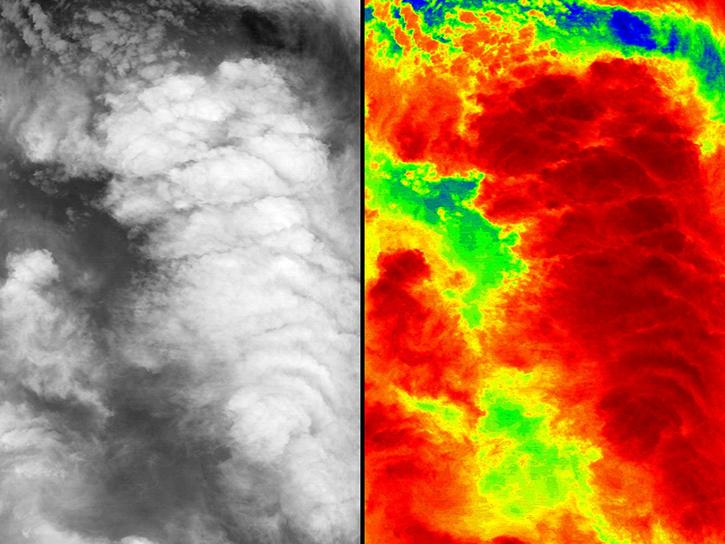
The Convection and Moisture Experiment 3 (CAMEX-3) studied tropical cyclone development, tracking, intensification, and landfalling impacts.
SHOWING 8 OF 201