Delivery of Suomi National Polar-orbiting Partnership (Suomi NPP) satellite data products will cease on November 1, 2026. Data users should transition now to alternative products from NOAA-21 and NOAA-20.
Suomi NPP data announcement
Featured Projects
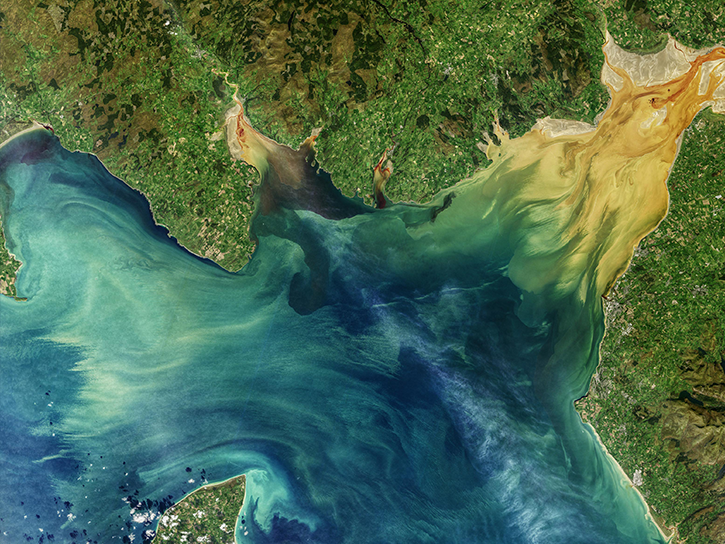
NASA's Applied Remote Sensing Training (ARSET) program teaches people to use Earth-observing data in their environmental management and decision-making.

At night, satellite images of Earth capture a uniquely human signal—artificial lighting. Remotely-sensed lights at night improve our understanding of interactions between human systems and the environment.
Explore All Projects
Filters
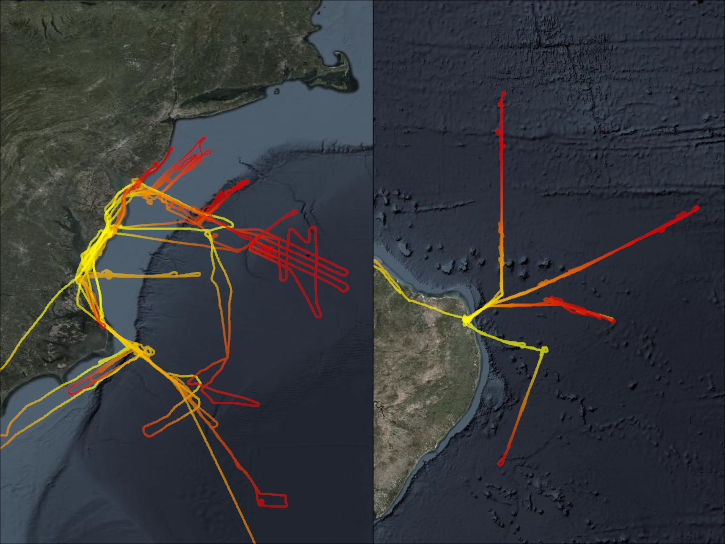
CITE 3 utilized the NASA Electra research aircraft equipped with a suite of instruments for sulfur and ancillary measurements.
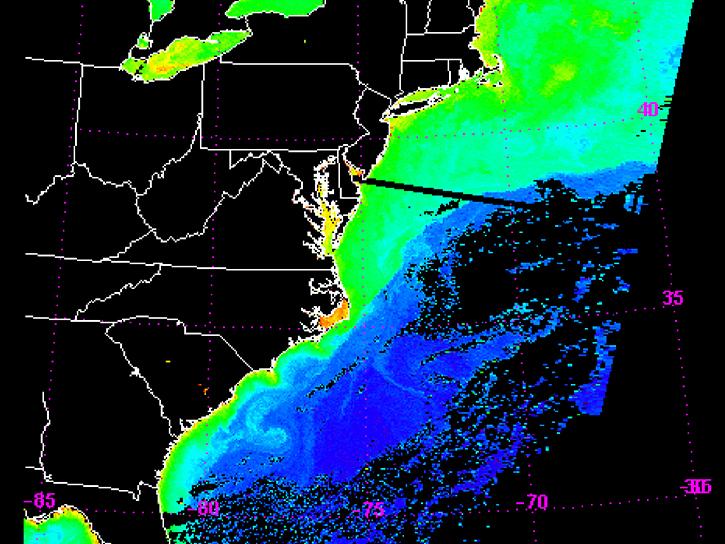
CLAMS collected data from the area surrounding Chesapeake Lighthouse station, a sea platform 20 kilometers east of Virginia Beach that served as the location of the CERES Ocean Validation Experiment (COVE).
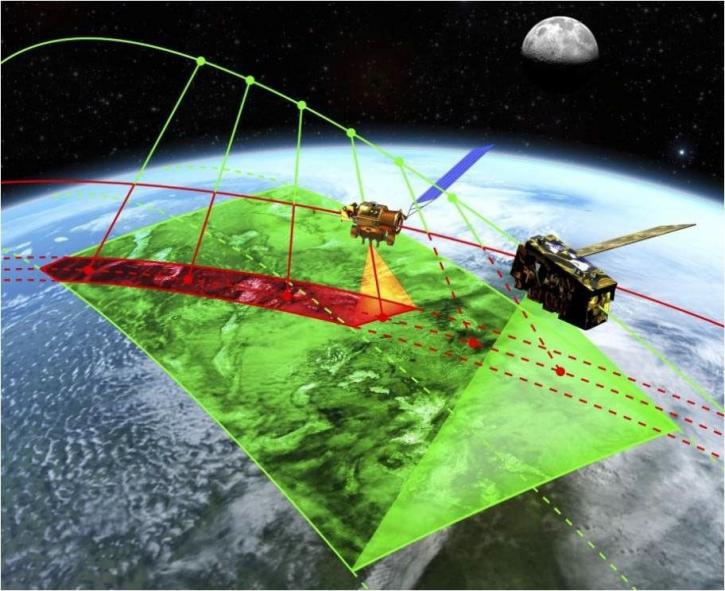
CLARREO Pathfinder data took highly accurate measurements of sunlight reflected by Earth and the Moon.
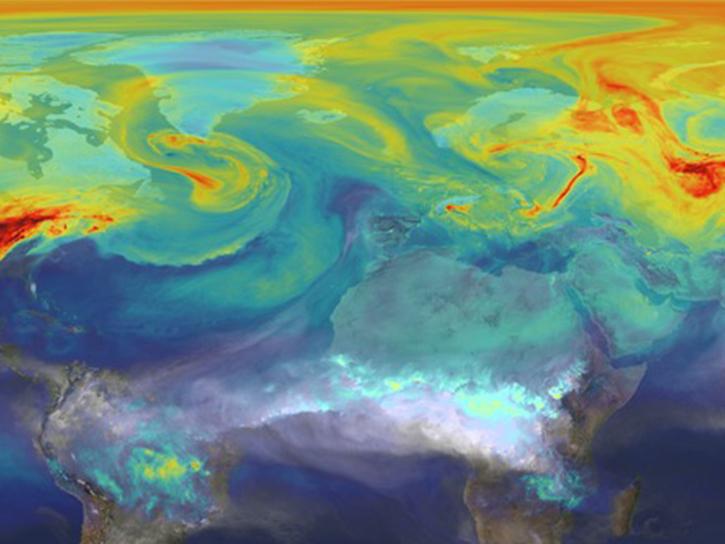
CMS is working to improve the characterization, quantification, understanding, and prediction of the evolution of carbon sources and sinks.


CORAL was designed to provide an extensive, uniform survey of coral reef communities through the use of the PRISM instrument aboard the Gulfstream-IV aircraft.
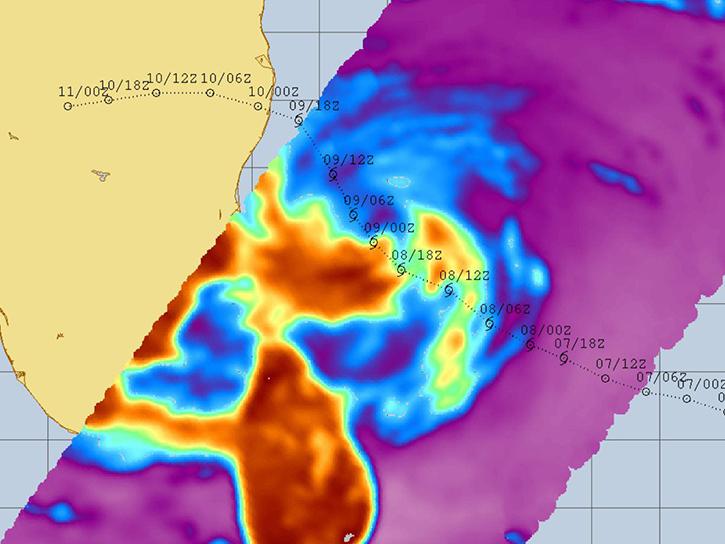
The COWVR-TEMPEST/STP-H8 project aims to demonstrate new low-cost microwave sensor technologies for weather applications.

The Convective Processes Experiment (CPEX) was a NASA investigation that focused on studying convective processes over tropical waters to better understand the life cycle of tropical convective storms.
SHOWING 8 OF 199