Delivery of Suomi National Polar-orbiting Partnership (Suomi NPP) satellite data products will cease on November 1, 2026. Data users should transition now to alternative products from NOAA-21 and NOAA-20.
Suomi NPP data announcement
Featured Projects
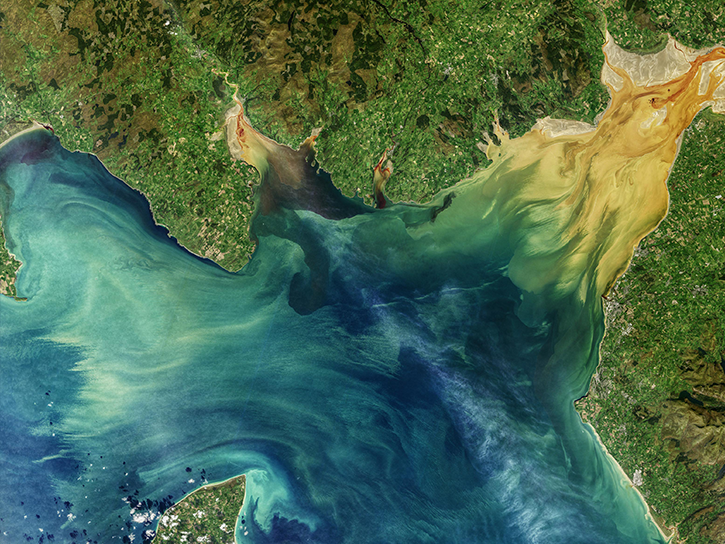
NASA's Applied Remote Sensing Training (ARSET) program teaches people to use Earth-observing data in their environmental management and decision-making.

At night, satellite images of Earth capture a uniquely human signal—artificial lighting. Remotely-sensed lights at night improve our understanding of interactions between human systems and the environment.
Explore All Projects
Filters
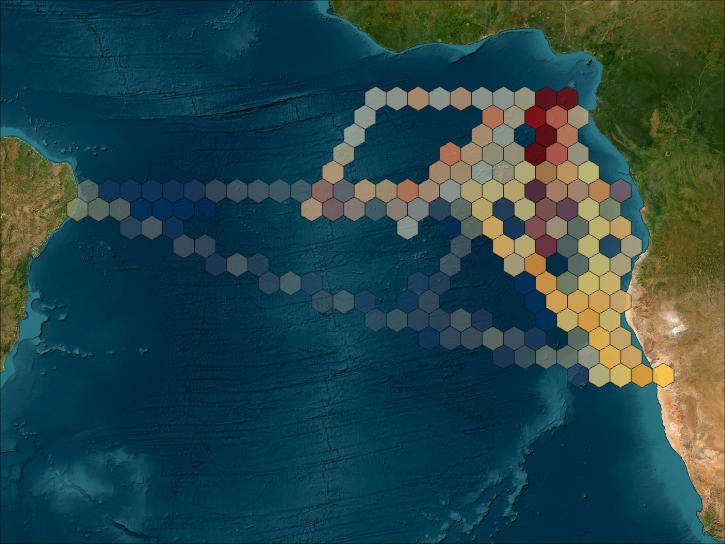
ORACLES was designed to study key processes that determine the climate impacts of African biomass burning aerosols.
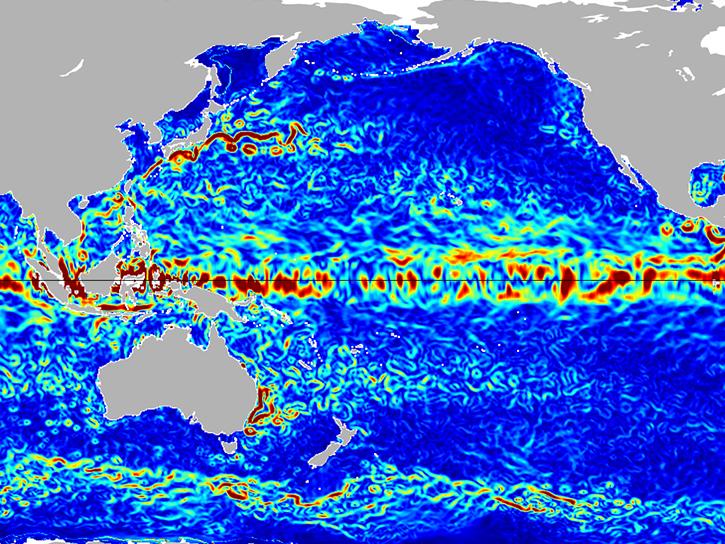
A processing system and data center to provide ocean surface velocity fields from satellite altimeter and vectorwind data with a regional focus on the tropical Pacific.
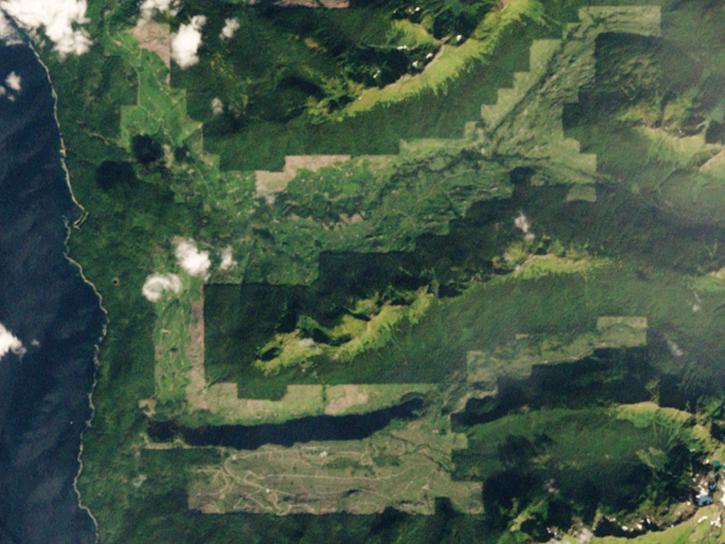
The OTTER project was designed to provide scientists with a better understanding of ecosystem functions in coniferous forests.
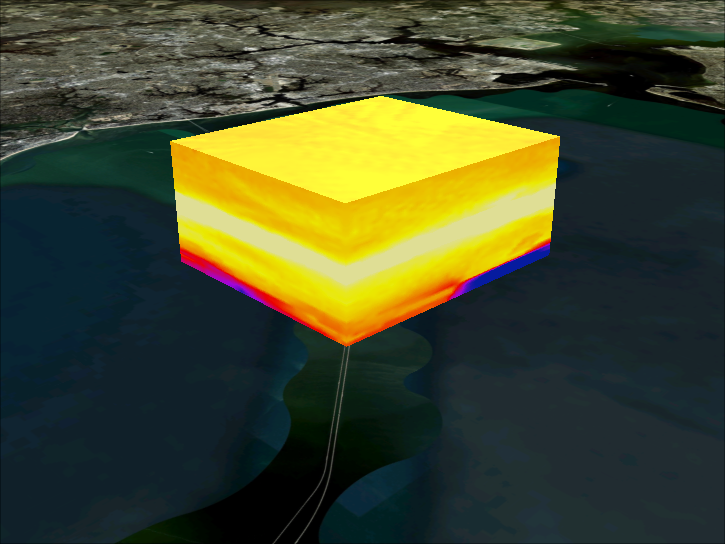
The OWLETS field campaign examined ozone concentrations and gradients over the Chesapeake Bay from July 5, 2017 – Aug. 3, 2017, with twelve intensive measurement days occurring during this time period.
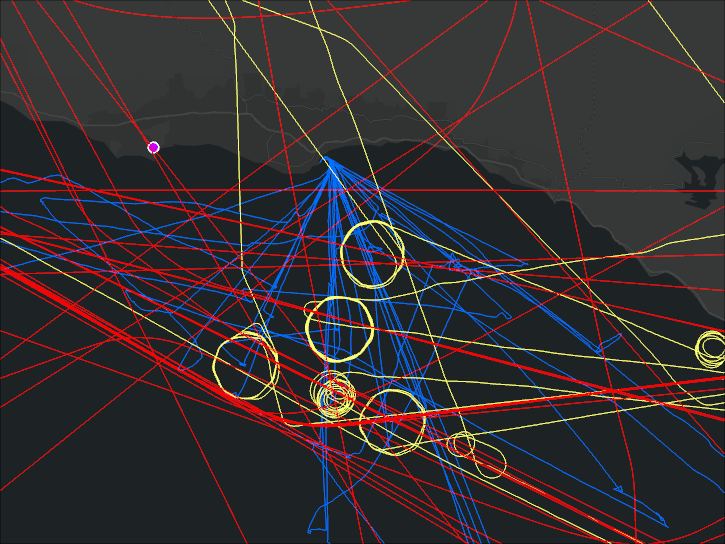
PACE-PAX was conducted in September 2024 to gather data for the validation and refinement of data products generated by the PACE satellite mission.
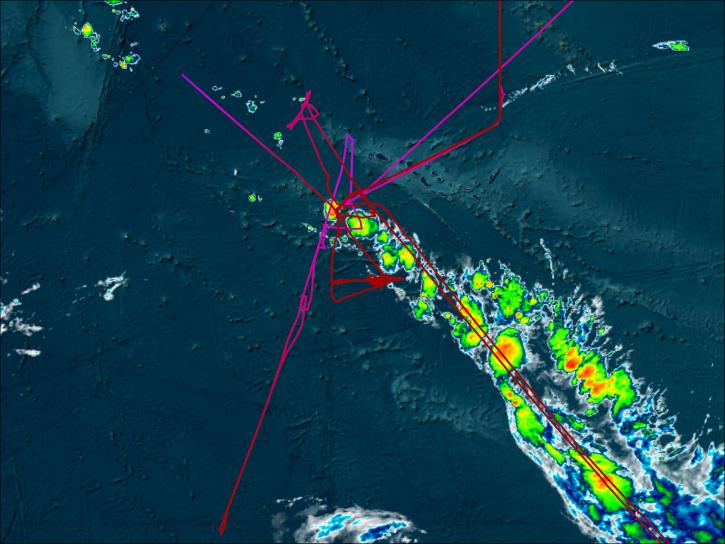
The PEM-Tropics project was conducted in two phases to contrast the influence of biomass burning in the dry season and the “relatively clean” wet season.
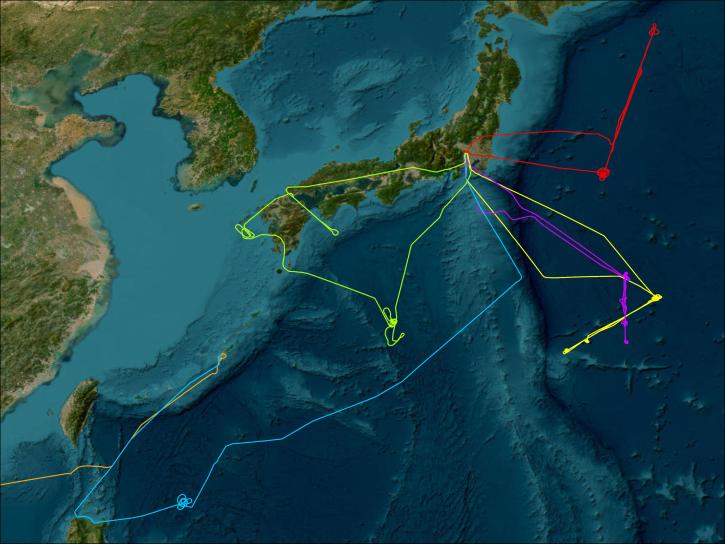
PEM-West aimed to investigate the atmospheric chemistry of ozone and its precursors over the northwestern Pacific and the atmospheric sulfur cycle over the region.
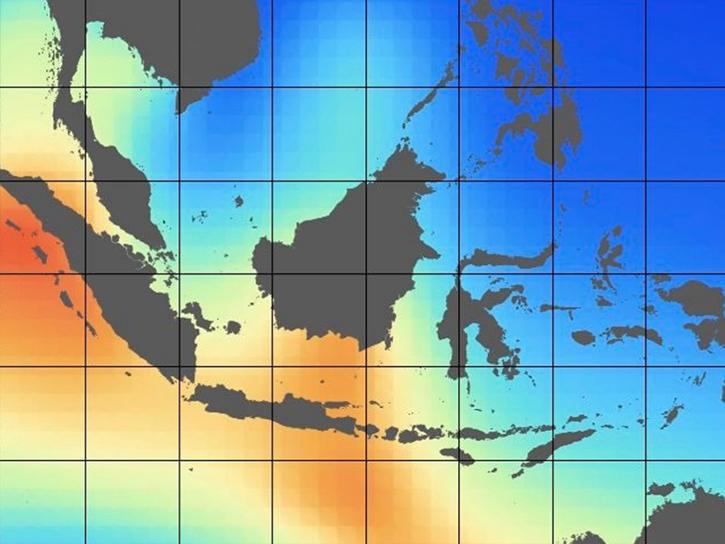
PISTON aimed to gain understanding and enhance the prediction capability of multi-scale tropical convection and air-sea interaction in the western Pacific north of Palau.
SHOWING 8 OF 204