Delivery of Suomi National Polar-orbiting Partnership (Suomi NPP) satellite data products will cease on November 1, 2026. Data users should transition now to alternative products from NOAA-21 and NOAA-20.
Suomi NPP data announcement
Featured Projects
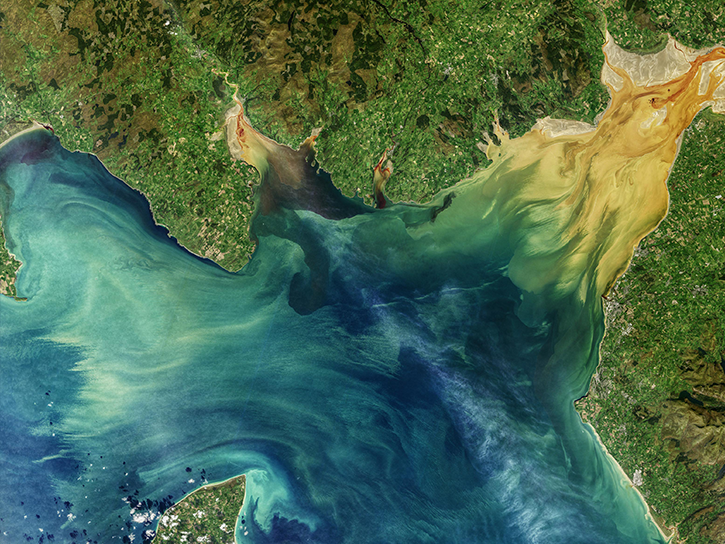
NASA's Applied Remote Sensing Training (ARSET) program teaches people to use Earth-observing data in their environmental management and decision-making.

At night, satellite images of Earth capture a uniquely human signal—artificial lighting. Remotely-sensed lights at night improve our understanding of interactions between human systems and the environment.
Explore All Projects
Filters
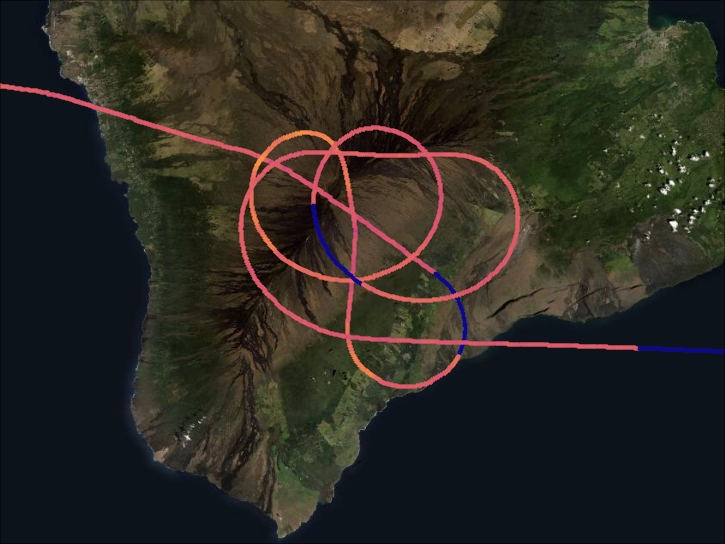
INTEXB focused on the transpacific inflow of pollution from Asia to North America as well as the impact of pollution outflow from Mexico City across North America.
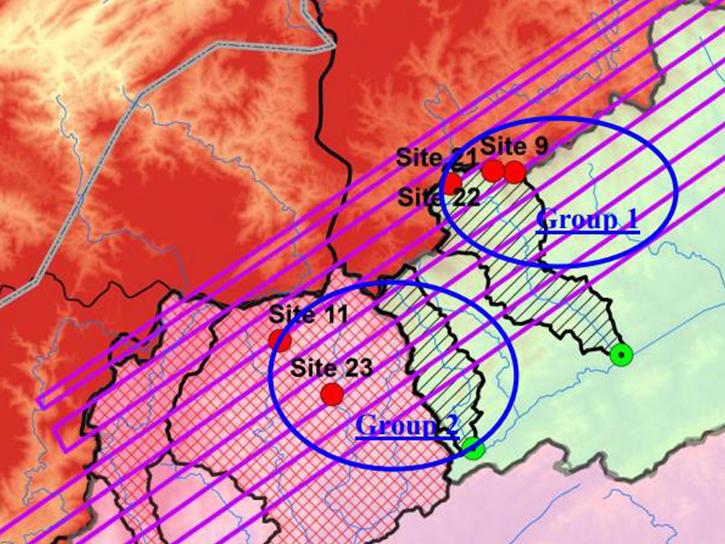
NASA's Integrated Precipitation and Hydrology Experiment (IPHEx) characterized warm season orographic precipitation regimes, and the relationship between precipitation regimes and hydrologic processes in regions of complex terrain.
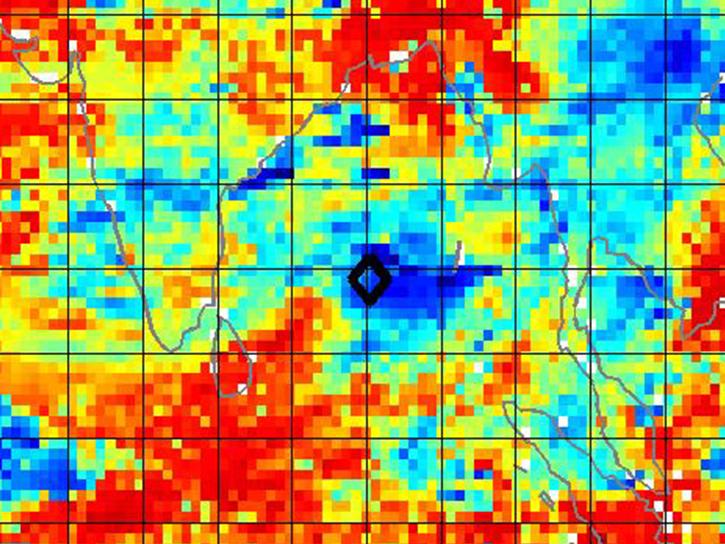
ISCCP focuses on the distribution and variation of cloud radiative properties to improve the understanding of the effects of clouds on climate, the radiation budget, and the long-term global hydrologic cycle.
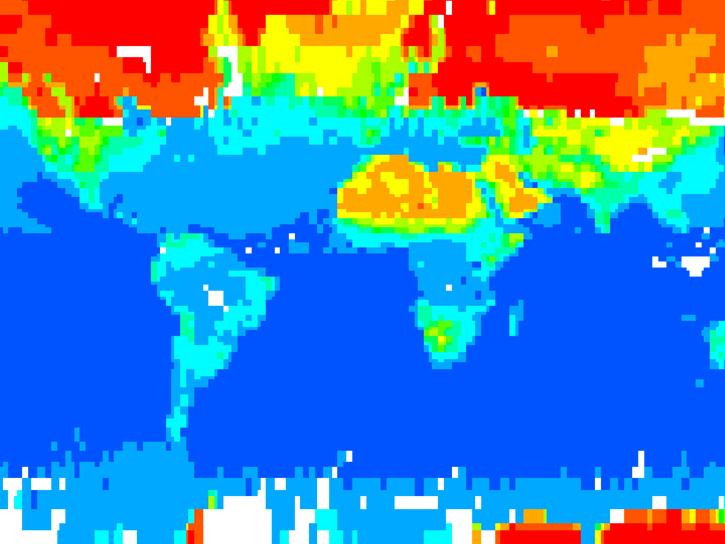
The International Satellite Land Surface Climatology Project, Initiative II was part of the Global Energy and Water Experiment.
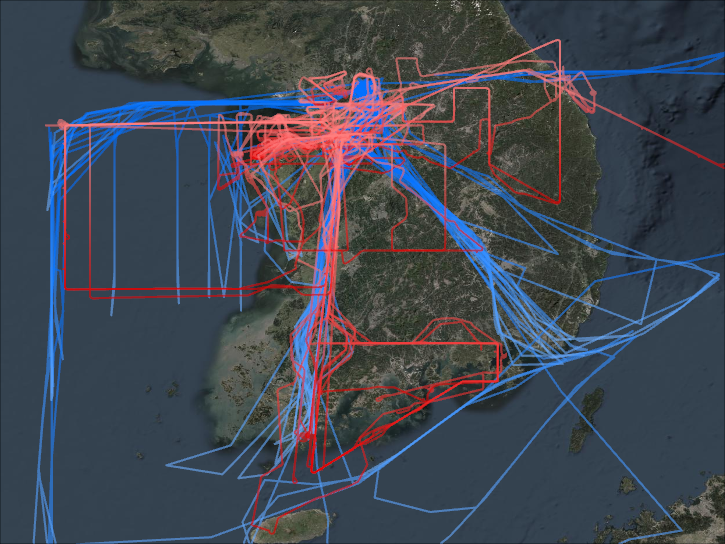
KORUS-AQ investigated the factors controlling air quality in Korea and assessed future air quality observing strategies via geostationary satellite observations.
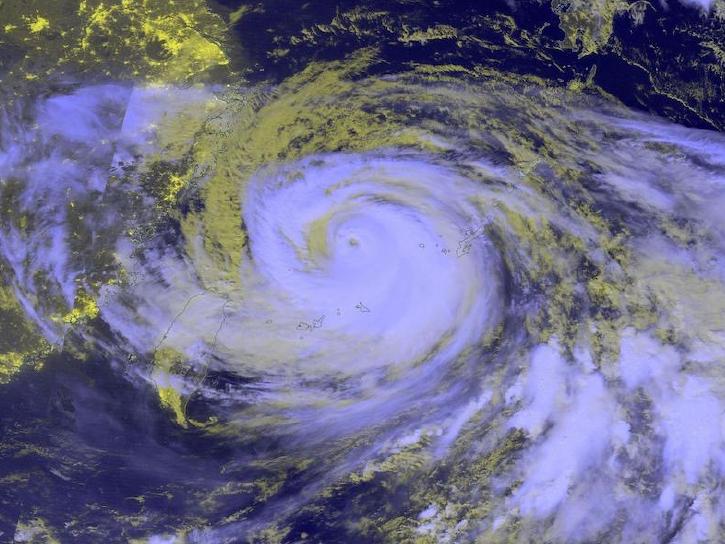
Access NASA Earth observation data within three hours of a satellite observation through the Land, Atmosphere Near real-time Capability for Earth observation (LANCE).
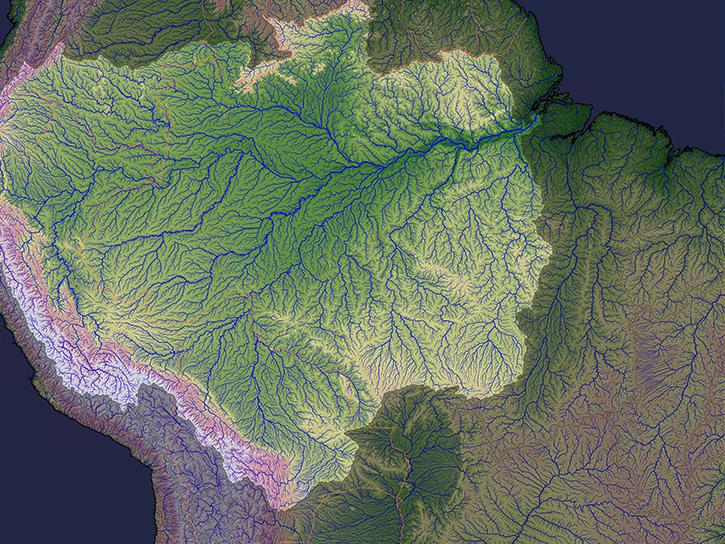
The Large-Scale Biosphere-Atmosphere Experiment in Amazonia (LBA) was an intensive scientific investigation of the tropical rainforest of Brazil and portions of adjacent countries.

LISTOS investigated the evolving nature of ozone formation and transport in the New York City region and downwind.
SHOWING 8 OF 204